TL;DR
Installing WordPress manually means creating a MySQL database in cPanel, uploading WordPress files via FTP, configuring the wp-config.php file with your database credentials, then running the installation script through your browser.
It takes more steps than a one-click installer, but gives you full control over file placement, database naming, and avoids pre-installed bloatware. Budget about 20-30 minutes if this is your first time, and always back up before making changes if you’re doing this on an existing hosting account.
Why Install WordPress Manually?
Thinking about building your own website with WordPress? Great choice! WordPress is a fantastic platform, powering millions of websites around the globe.
Many hosting providers offer one-click WordPress installers. But, there’s a strong argument for installing WordPress manually.
Why go the manual route? It boils down to three key advantages: control, understanding, and optimization.
Think of it this way: using a one-click installer is like ordering a pre-built house. It’s convenient, but you don’t know the quality of the materials or the details of the construction. Installing WordPress manually is like building your own house. It takes more effort upfront, but you end up with a solid foundation and a deep understanding of every brick and mortar.
Prerequisites for a Manual WordPress Installation
- A Web Hosting Account: This is where your website’s files will live. Choose a reputable hosting provider that supports PHP and MySQL (the backbone of WordPress). Popular options include Bluehost, SiteGround, and Hostinger. Make sure the hosting plan meets WordPress’s minimum requirements.
- A Domain Name: Your domain name is your website’s address on the internet (e.g., kiwistic.com). If you don’t already have one, you’ll need to register a domain name with a registrar like Namecheap or GoDaddy. You’ll then need to point your domain to your hosting account’s nameservers.
- FTP Client (e.g., FileZilla): An FTP (File Transfer Protocol) client allows you to transfer files between your computer and your web server. FileZilla is a free and popular choice. Other options include Cyberduck and Transmit (for Mac). You’ll need your hosting account’s FTP credentials (host, username, password) to connect.
- Text Editor (e.g., Notepad++, Sublime Text): You’ll need a text editor to edit configuration files, such as the wp-config.php file. Notepad++ (for Windows) and Sublime Text (available for Windows, Mac, and Linux) are excellent choices.
Step-by-Step Guide: Installing WordPress Manually
Step 1: Download the Latest Version of WordPress
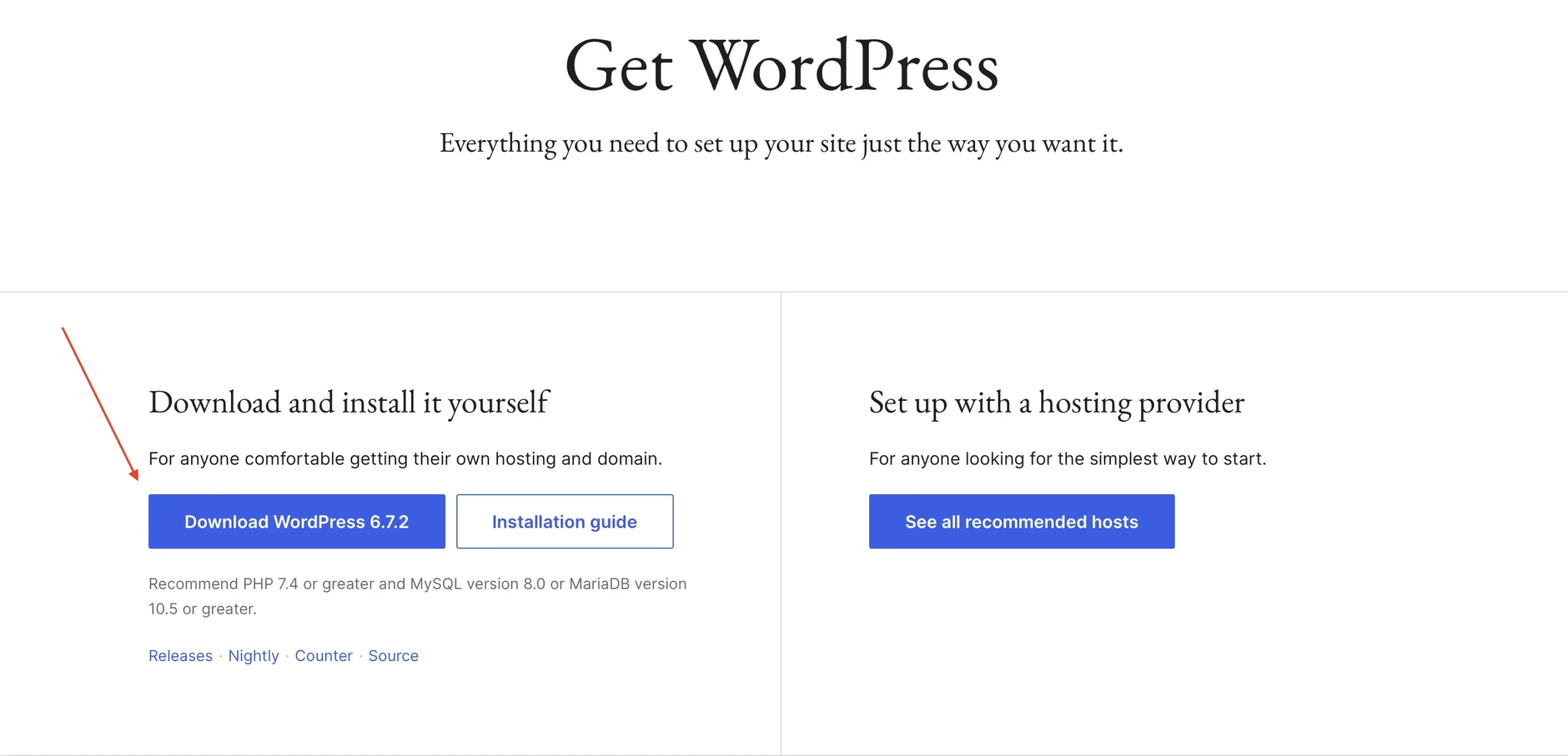
1. Head over to https://wordpress.org/download/
2. Click the “Download WordPress” button.
Step 2: Create a MySQL Database and User
Accessing the MySQL Databases Tool in cPanel
1. Log in to your cPanel account.
2. Look for the “Databases” section.
3. Click on the “MySQL Databases” icon.
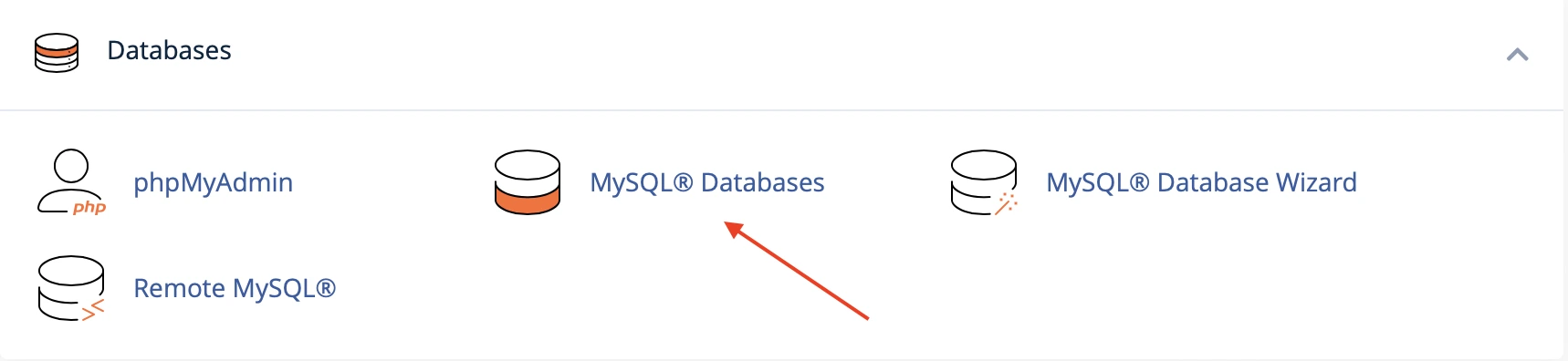
Creating the Database
1. In the “Create New Database” section, enter a name for your database. Choose a descriptive name, like wordpress_db.
2. Click the “Create Database” button.
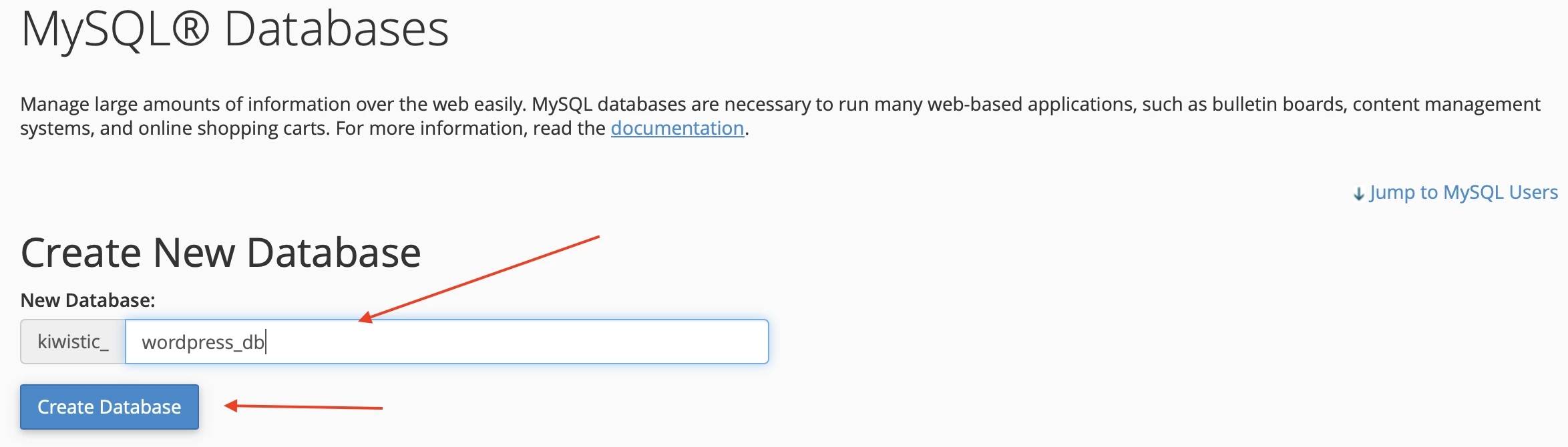
Creating a Database User
1. Scroll down to the “Add New User” section.
2. Enter a username and password for the database user. Make sure to use a strong password! Use cPanel’s password generator for a strong password, if desired.
3. Click the “Create User” button.
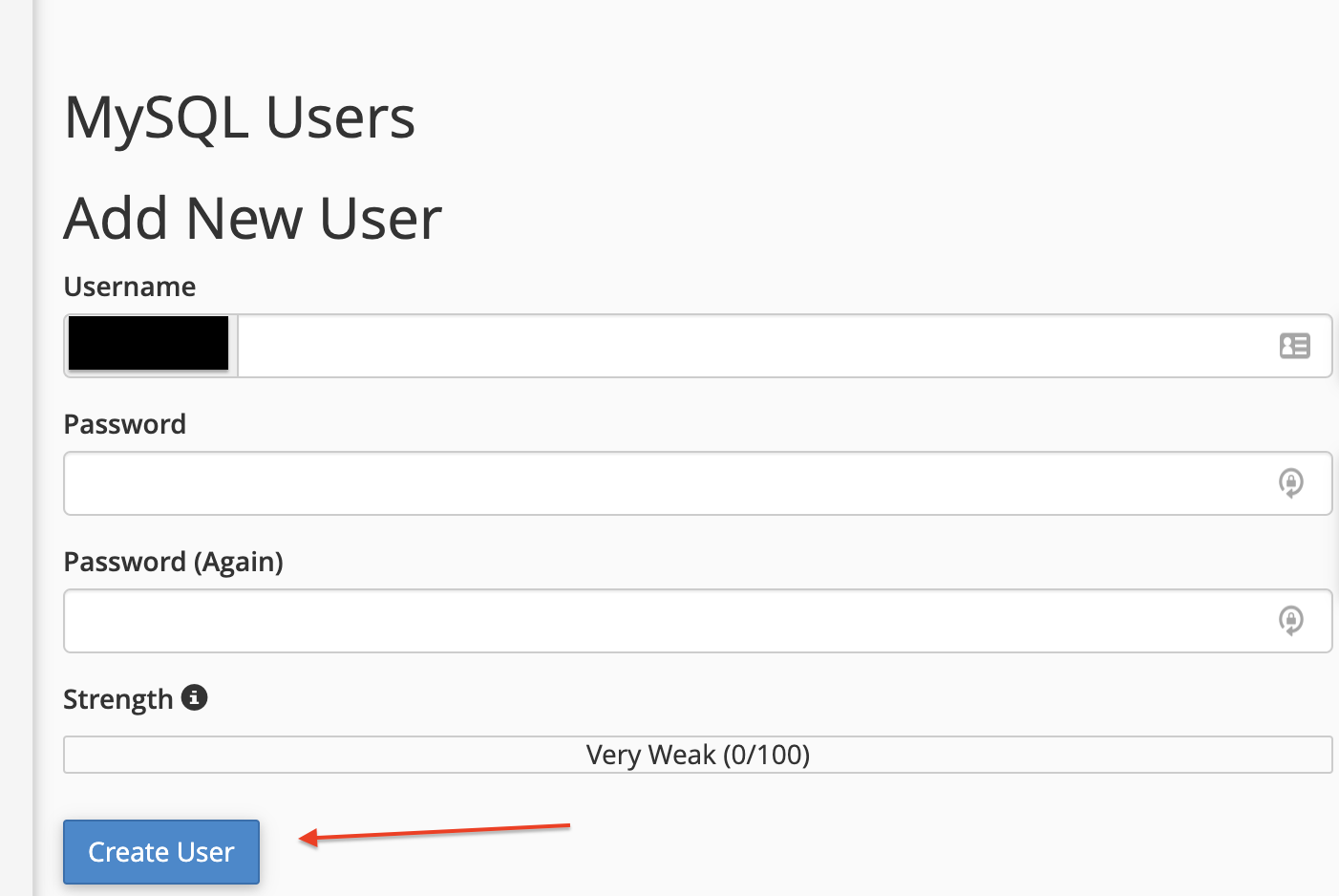
Adding the User to the Database and Granting Privileges
1. Scroll down to the “Add User To Database” section.
2. Select the user you just created from the “User” dropdown menu.
3. Select the database you just created from the “Database” dropdown menu.
4. Click the “Add” button.
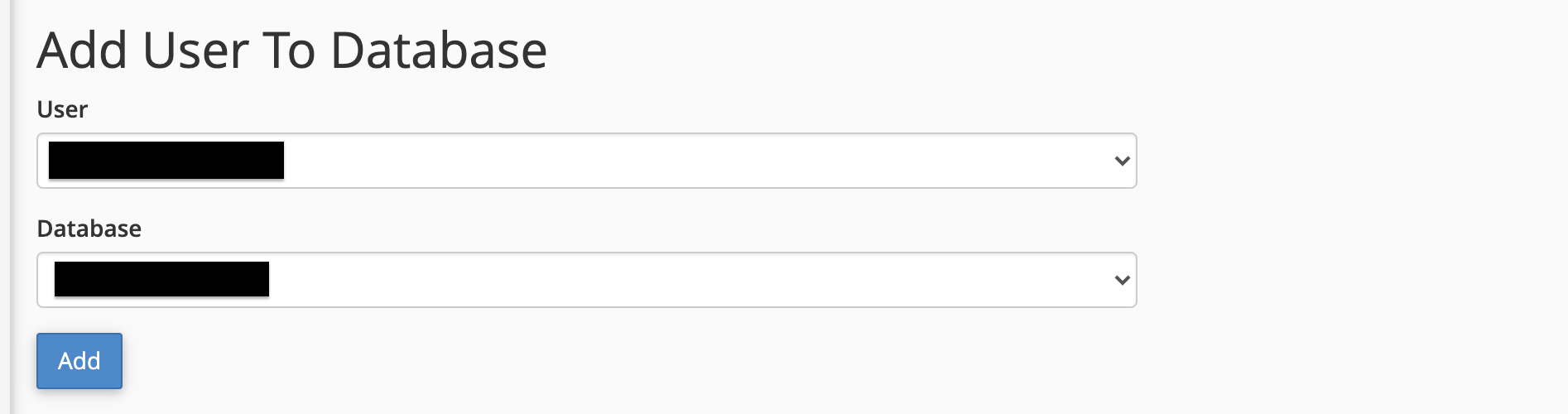
5. On the next screen, you’ll be asked to grant privileges to the user. Check the “ALL PRIVILEGES” box.
6. Click the “Make Changes” button.
Important: Write down the database name, username, and password. You’ll need these in the next step!
Step 3: Upload WordPress Files to Your Web Server via FTP
Connecting to Your Server via FTP
1. Open your FTP client (e.g., FileZilla).
2. Enter your hosting account’s FTP credentials:
- Host: Usually your domain name or a server address provided by your hosting provider.
- Username: Your FTP username.
- Password: Your FTP password.
- Port: Usually 21.
3. Click the “Quickconnect” button (or equivalent).
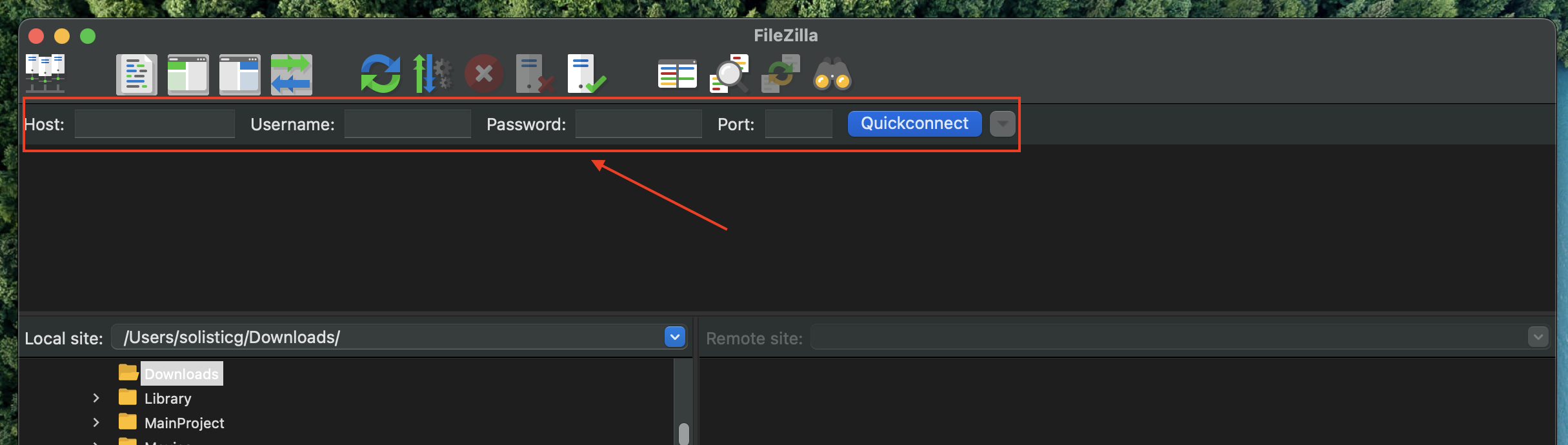
Once connected, you’ll see two panels: your local computer’s files on the left and your web server’s files on the right.
Uploading the WordPress Files
1. In your local computer panel (left side), navigate to the location where you downloaded the WordPress ZIP file.
2. Right-click on the ZIP file and select “Extract Here” (or similar). This will create a folder named wordpress.
3. Enter in wordpress directory.
4. In your web server panel (right side), navigate to the directory where you want to install WordPress. This is usually the public_html or www directory.
5. If you want WordPress to be installed in the root directory of your domain (e.g., yourdomain.com), upload the files directly to public_html.
If you want WordPress to be installed in a subdirectory (e.g., yourdomain.com/blog), create a folder named blog in public_html and upload the files to that folder.
Select all the files and folders inside the wordpress folder (not the wordpress folder itself).
6. Drag and drop the selected files and folders from your local computer panel to your web server panel. Alternatively, right-click and select “Upload.”

The file upload process can take some time, depending on your internet connection speed.
Step 4: Configure the wp-config.php File
Renaming wp-config-sample.php
1. In your web server panel in FileZilla, locate the file named wp-config-sample.php.
2. Right-click on the file and select “Rename.”
3. Rename the file to wp-config.php.
Entering Database Credentials
1. Right-click on the wp-config.php file and select “View/Edit.” This will open the file in your text editor.
2. Locate the following lines:

3. Replace the placeholders with your actual database credentials:
- database_name_here: Replace with the name of the database you created.
- username_here: Replace with the username of the database user.
- password_here: Replace with the password of the database user.
- localhost: This is usually correct, but your hosting provider might specify a different database host.
4. Save the wp-config.php file. Your FTP client will likely prompt you to upload the modified file back to the server. Click “Yes” or “Upload.””
(Optional) Security Keys: Generating Salt Keys
1. In the wp-config.php file, locate the following section:
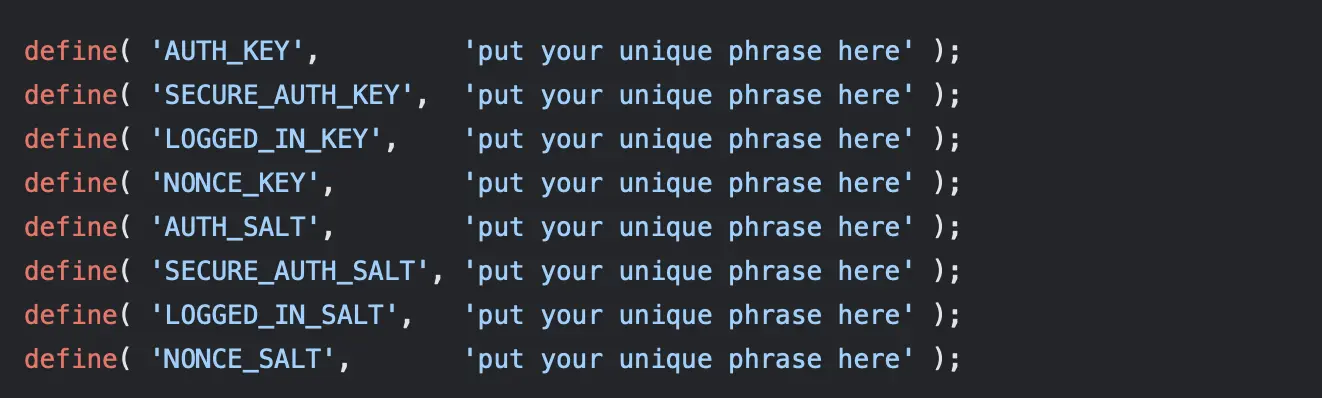
2. Visit the WordPress secret key generator: https://api.wordpress.org/secret-key/1.1/salt/
3. Copy the generated code.
4. Paste the code into the wp-config.php file, replacing the existing lines.
5. Save the wp-config.php file and upload it back to the server.
Step 5: Run the WordPress Installation Script
Now that you’ve uploaded the files and configured the wp-config.php file, it’s time to run the WordPress installation script.
Accessing the WordPress Installation Page
1. Open your web browser and navigate to your website’s URL. If you installed WordPress in the root directory (e.g., yourdomain.com), simply enter your domain name.
2. If you installed WordPress in a subdirectory (e.g., yourdomain.com/blog), enter the URL of the subdirectory.
3. You should see the WordPress installation page.
Choosing Your Language
1. Select your preferred language from the dropdown menu.
Entering Site Information (Title, Username, Password, Email)
1. On the next screen, you’ll be prompted to enter the following information:
- Site Title: The name of your website.
- Username: The username you’ll use to log in to the WordPress dashboard. Choose a strong username that is not “admin”!
- Password: A strong password for your WordPress account.
- Your Email: Your email address.
- Search Engine Visibility: Check the box if you want to discourage search engines from indexing your site while it’s under development.
2. Click the “Install WordPress” button.
Step 6: Log in to Your WordPress Dashboard
1. Click the “Log In” button.
2. Enter the username and password you created in the previous step.
3. Click the “Log In” button.

Congratulations! You’ve successfully installed WordPress manually. You’ll now be taken to your WordPress dashboard, where you can start customizing your website.
Post-Installation Tasks
You’ve successfully installed WordPress manually – fantastic! Now, let’s take a few essential steps to set up your website and make it shine.
Choosing a Theme
1. In your WordPress dashboard, go to Appearance > Themes.
2. Click the “Add New” button.
3. Browse the WordPress Theme Directory for free themes or upload a premium theme you’ve purchased.
4. Once you find a theme you like, click “Install” and then “Activate.”
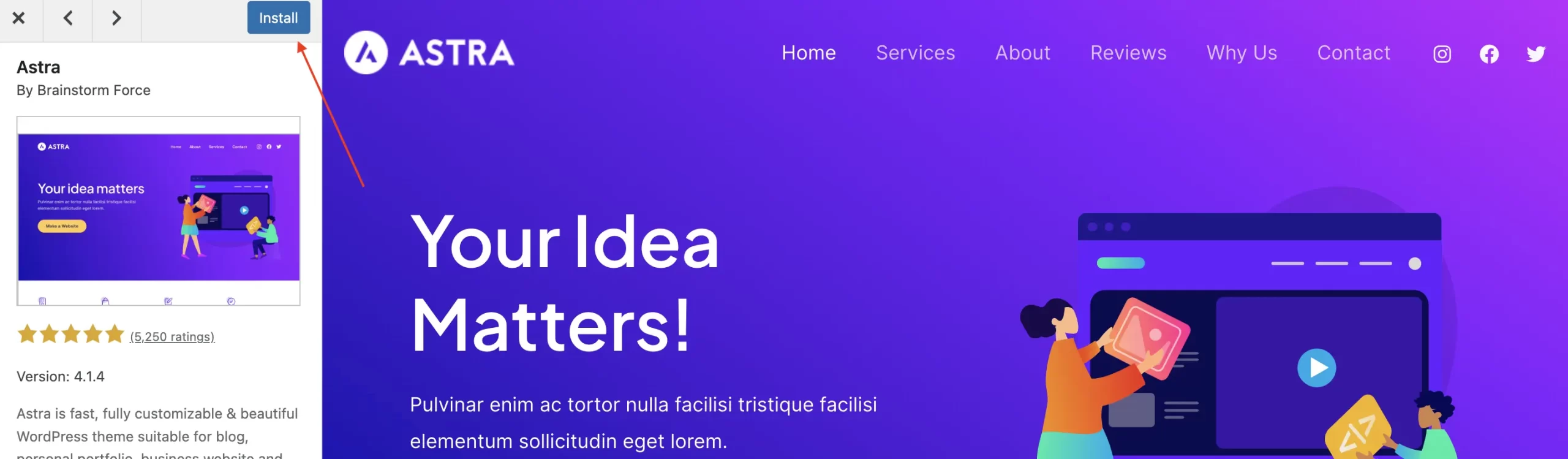
Consider your website’s purpose and choose a theme that aligns with your brand and content. Look for themes that are responsive (mobile-friendly), customizable, and well-supported. Popular themes include Astra, OceanWP, and GeneratePress.
Installing Essential Plugins
1. In your WordPress dashboard, go to Plugins > Add New.
2. Search for plugins by keyword or browse the featured plugins.
3. Once you find a plugin you want to install, click “Install Now” and then “Activate.”
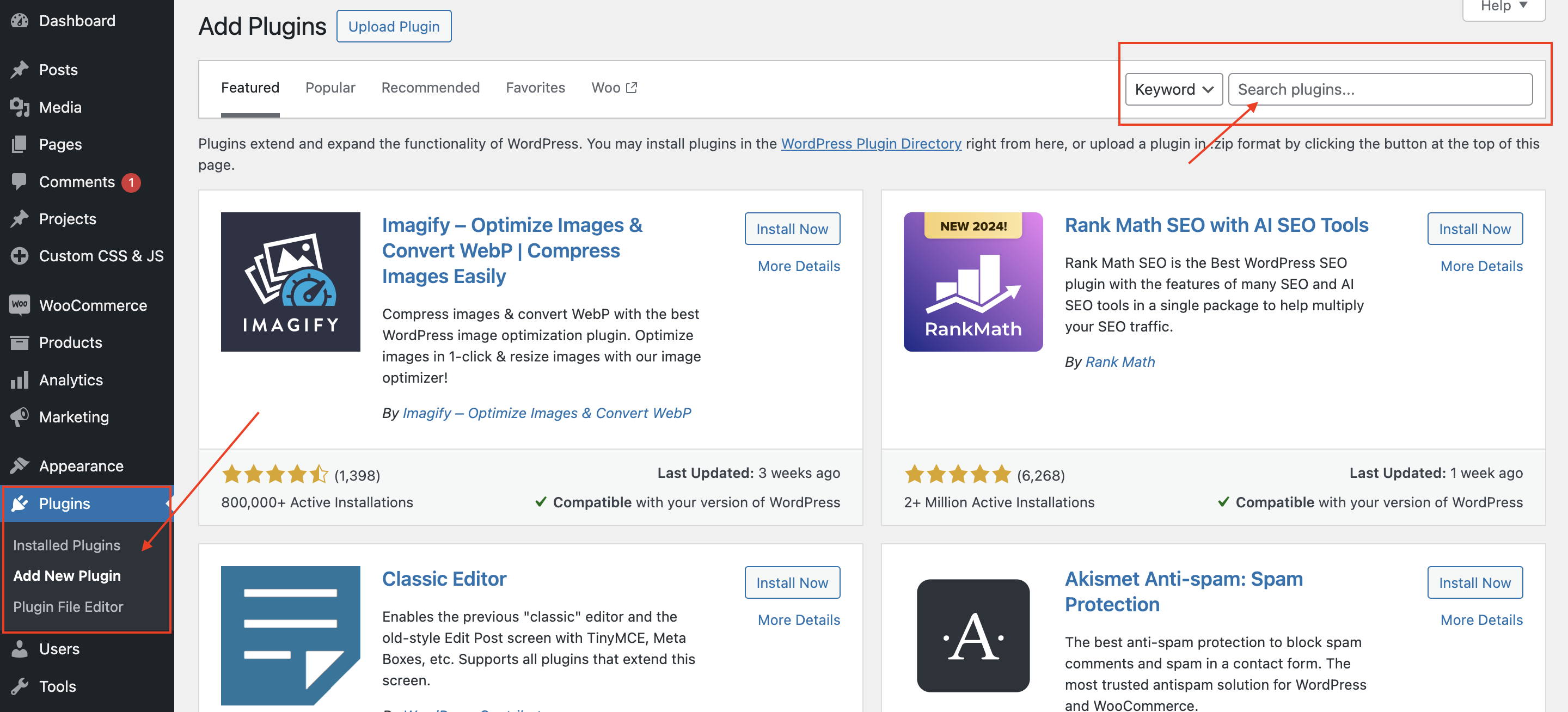
Here are a few essential plugins to consider:
- Yoast SEO or Rank Math: For search engine optimization.
- Contact Form 7 or WPForms: For creating contact forms.
- Akismet Anti-Spam: For preventing comment spam.
- UpdraftPlus or BackupBuddy: For backing up your website.
- Wordfence or Sucuri Security: For website security.
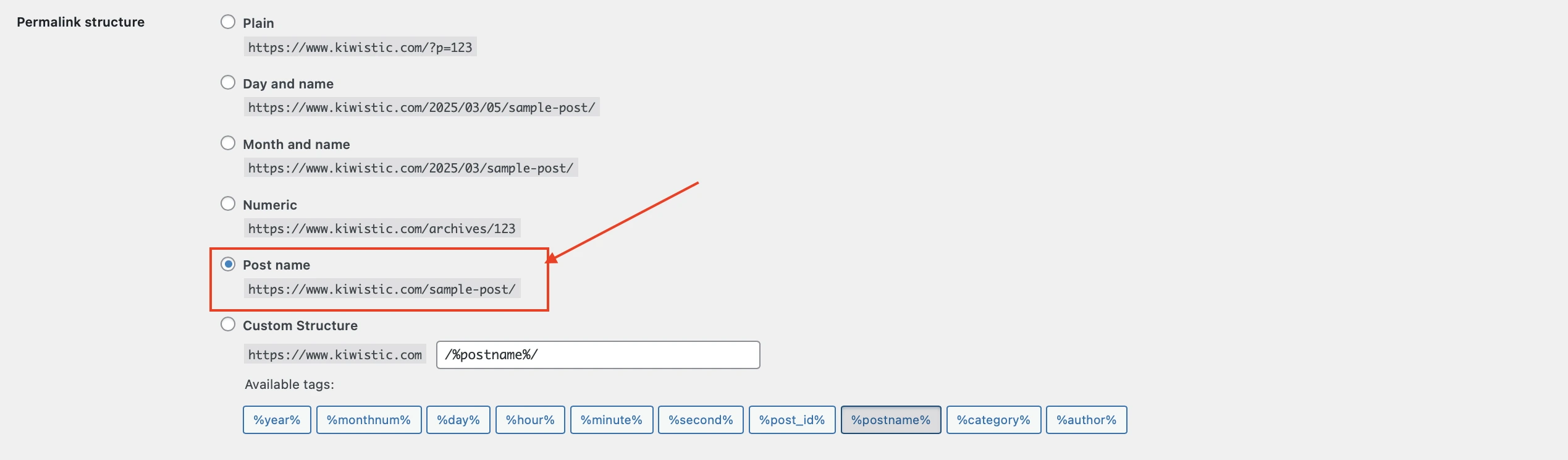
Configuring Permalinks
1. In your WordPress dashboard, go to Settings > Permalinks.
2. Choose a permalink structure. The “Post name” option is generally recommended.
3. Click “Save Changes.”
Setting Up a Static Front Page
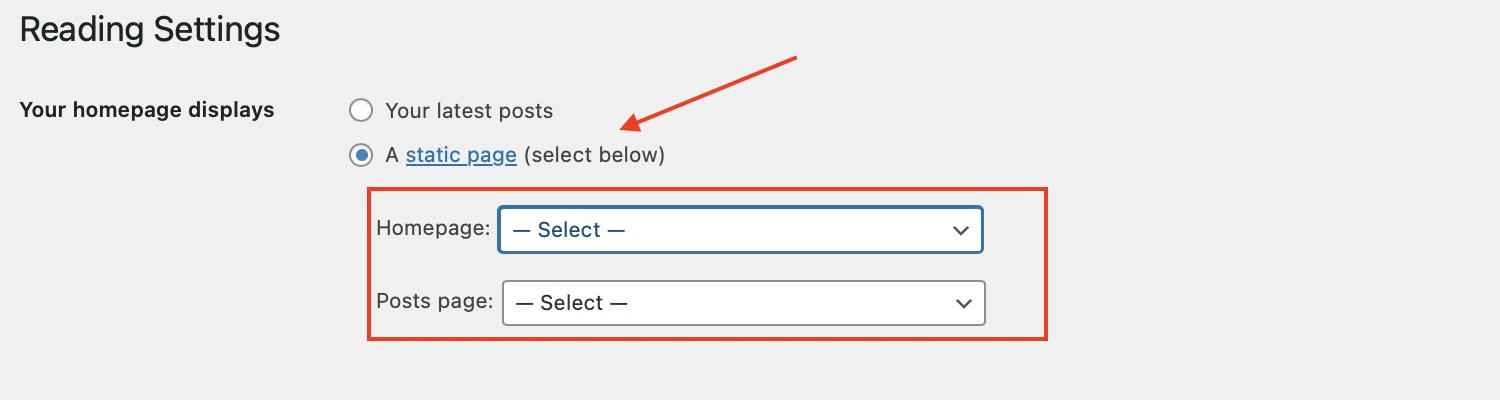
1. Create two new pages: one for your front page and one for your blog posts.
2. In your WordPress dashboard, go to Settings > Reading.
3. Under “Your homepage displays,” select “A static page.”
4. Choose the page you created for your front page in the “Homepage” dropdown menu.
5. Choose the page you created for your blog posts in the “Posts page” dropdown menu.
6. Click “Save Changes.”
Troubleshooting Common WordPress Manual Installation Errors
Even with careful preparation, you might encounter errors during the manual WordPress installation process. Here’s how to troubleshoot some common issues:
Error Establishing a Database Connection
- Causes: Incorrect database credentials in the wp-config.php file, database server is down, incorrect database host.
Solutions:
- Double-check the database name, username, and password in your wp-config.php file.
- Contact your hosting provider to ensure the database server is running and that you’re using the correct database host.
Internal Server Error (500 Error)
- Causes: Corrupted .htaccess file, PHP memory limit exceeded, plugin conflict, theme conflict.
Solutions:
- Temporarily rename your .htaccess file to .htaccess_old. If this resolves the issue, create a new .htaccess file with default WordPress settings.
- Increase the PHP memory limit in your wp-config.php file by adding the following line: define( ‘WP_MEMORY_LIMIT’, ‘256M’ );
- Deactivate all plugins. If this resolves the issue, reactivate them one by one to identify the conflicting plugin.
- Switch to a default WordPress theme (e.g., Twenty Twenty-Three). If this resolves the issue, there may be an issue with your current theme.
White Screen of Death (WSOD)
- Causes: PHP errors, plugin conflict, theme conflict, exceeding memory limit.
Solutions:
- Enable WordPress debugging to display error messages. Add the following lines to your wp-config.php file:

- Deactivate all plugins. If this resolves the issue, reactivate them one by one to identify the conflicting plugin.
- Switch to a default WordPress theme. If this resolves the issue, there may be an issue with your current theme.
- Increase the PHP memory limit.
Important: Always back up your website before making any changes to your files or database.
Why Choose Manual Installation Over Automatic Installers?
- Increased Control and Customization: When you install WordPress manually, you have complete control over every aspect of the installation process. You choose the database name, username, and password.
You decide where the files are located on your server. You’re not limited by the choices made by the automatic installer. This level of control allows for greater customization and optimization.
- Better Understanding of the WordPress Architecture: Installing WordPress manually forces you to understand how WordPress works under the hood. You learn about the wp-config.php file, the MySQL database, and the file structure.
This knowledge is invaluable when troubleshooting issues, customizing your website, and optimizing its performance. Think of it as learning to drive a car versus just knowing how to turn the key.
- Avoiding Bloatware and Unnecessary Plugins: Automatic installers sometimes include pre-installed plugins or themes that you may not need or want.
These unnecessary add-ons can slow down your website and create security vulnerabilities. With a manual installation, you start with a clean slate and only install the plugins and themes that you actually need.
Is it safe to install WordPress manually?
- Use Strong Passwords: Choose strong, unique passwords for your database user and your WordPress administrator account.
- Keep WordPress Updated: Regularly update WordPress core, themes, and plugins to patch security vulnerabilities.
- Install a Security Plugin: Use a security plugin like Wordfence or Sucuri Security to protect your website. This helps keep it safe from malware and other threats.
- Use a Reputable Hosting Provider: When picking a hosting provider, look for one that values security. They should have tools like firewalls and malware scanners.
- Secure wp-config.php: Move the wp-config.php file one directory above public_html directory.
- Set Correct File Permissions: After uploading via FTP, make sure your files are set to 644 and directories to 755. Overly permissive settings (like 777) leave your site an easy target, even with everything else configured correctly.
- Enable SSL Before Going Live: A fresh WordPress install doesn’t come with HTTPS configured by default. Add an SSL certificate before launching, and if you ever run into ERR_SSL_PROTOCOL_ERROR or similar issues, our complete guide to fixing SSL errors walks through the most common causes.
Conclusion: Mastering Manual WordPress Installation
So, go forth and build something amazing! Whether you’re creating a blog, a business website, or an online store, the power is now in your hands. And remember, the Kiwistic team is here to support you every step of the way. Happy website building!