TL;DR
Vector design in 2026 is shaped by two opposing forces — AI tools that generate graphics instantly, and growing fatigue with anything that looks machine-made.
The trends actually gaining traction (AI-assisted workflows refined by hand, Y2K revival, controlled maximalism, bento grid layouts, motion-ready assets, organic handcrafted shapes, and considered sustainable aesthetics) all share one thing: they require deliberate human decisions, not just following a template. The tools have never been more capable; what separates strong work from generic work is intentionality.
Introduction
Vector design in 2026 is being shaped by two forces pulling in opposite directions: AI tools that can generate graphics in seconds, and a growing audience fatigue with anything that looks like it was generated in seconds. The result is a design landscape where craft, intentionality, and a distinct visual voice matter more than ever — not less.
AI-Assisted Aesthetics
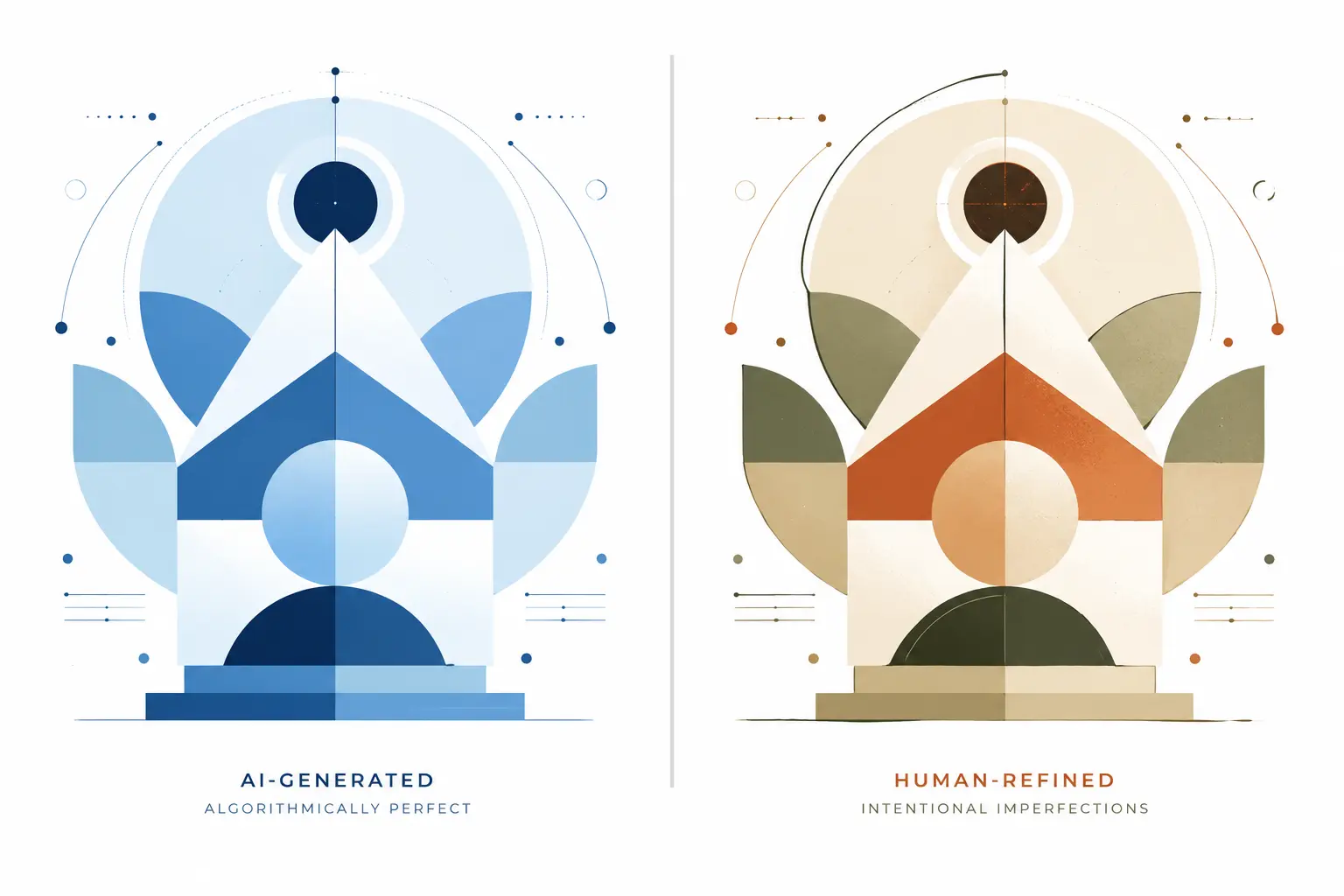
This trend is particularly visible in brand identity work and editorial illustration, where clients want efficiency but cannot afford to look generic.
How to apply it
Use AI to generate compositional options quickly, then refine in Adobe Illustrator or Figma. The goal is to make decisions the AI would not — in color, spacing, and detail.
Retro & Y2K Revival
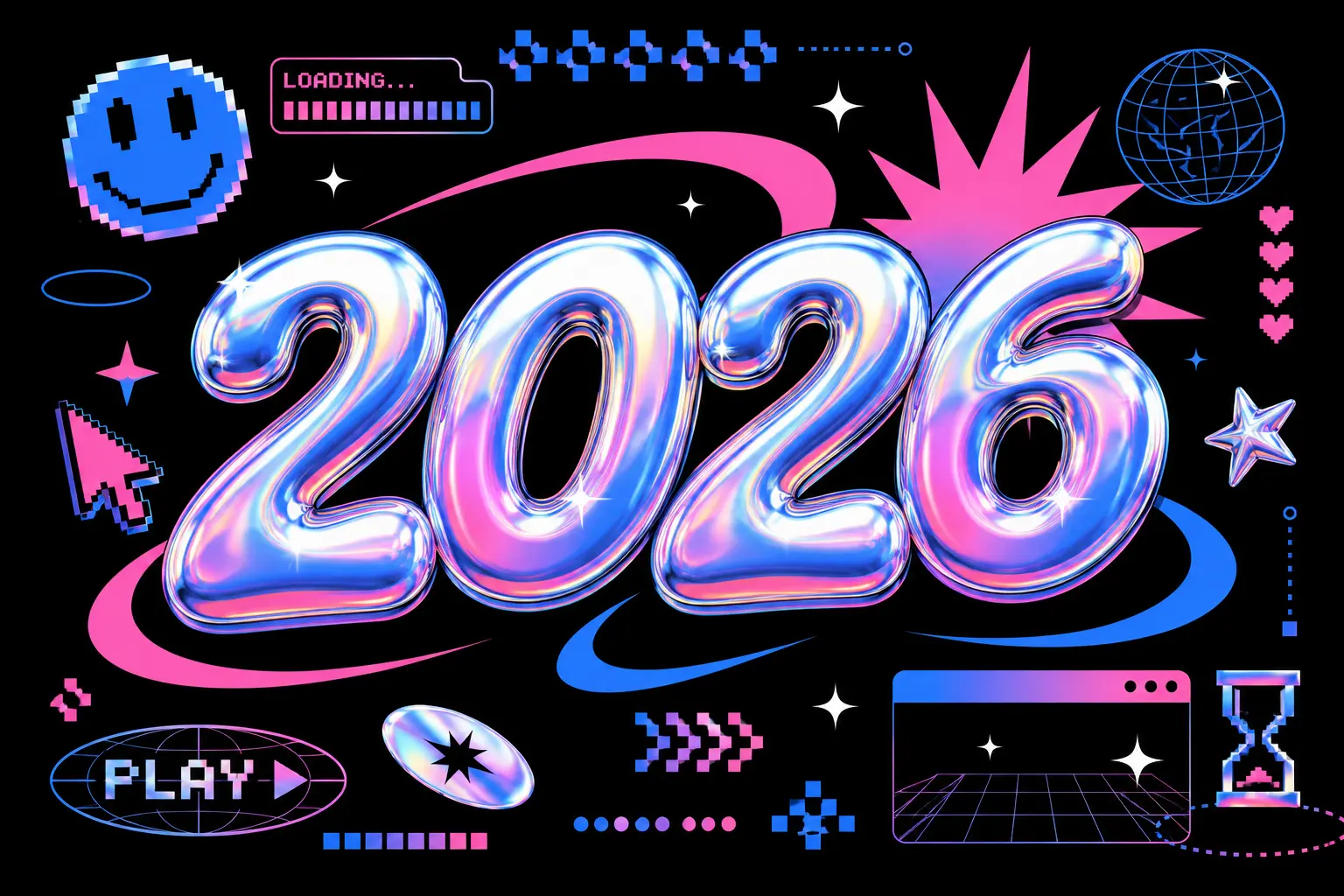
What makes this work commercially is its versatility. Y2K references land differently depending on execution they can feel ironic, celebratory, or genuinely fresh depending on the color palette and context. Brands targeting younger audiences in particular are leaning into this aesthetic for social media assets, packaging, and campaign visuals.
How to apply it
Focus on chrome and iridescent gradients, bubbly or inflated typefaces, and high-contrast color combinations. Adobe Illustrator gradient mesh and blend tools are particularly useful here. Combine with bold typography for maximum impact.
Maximalism and Controlled Chaos
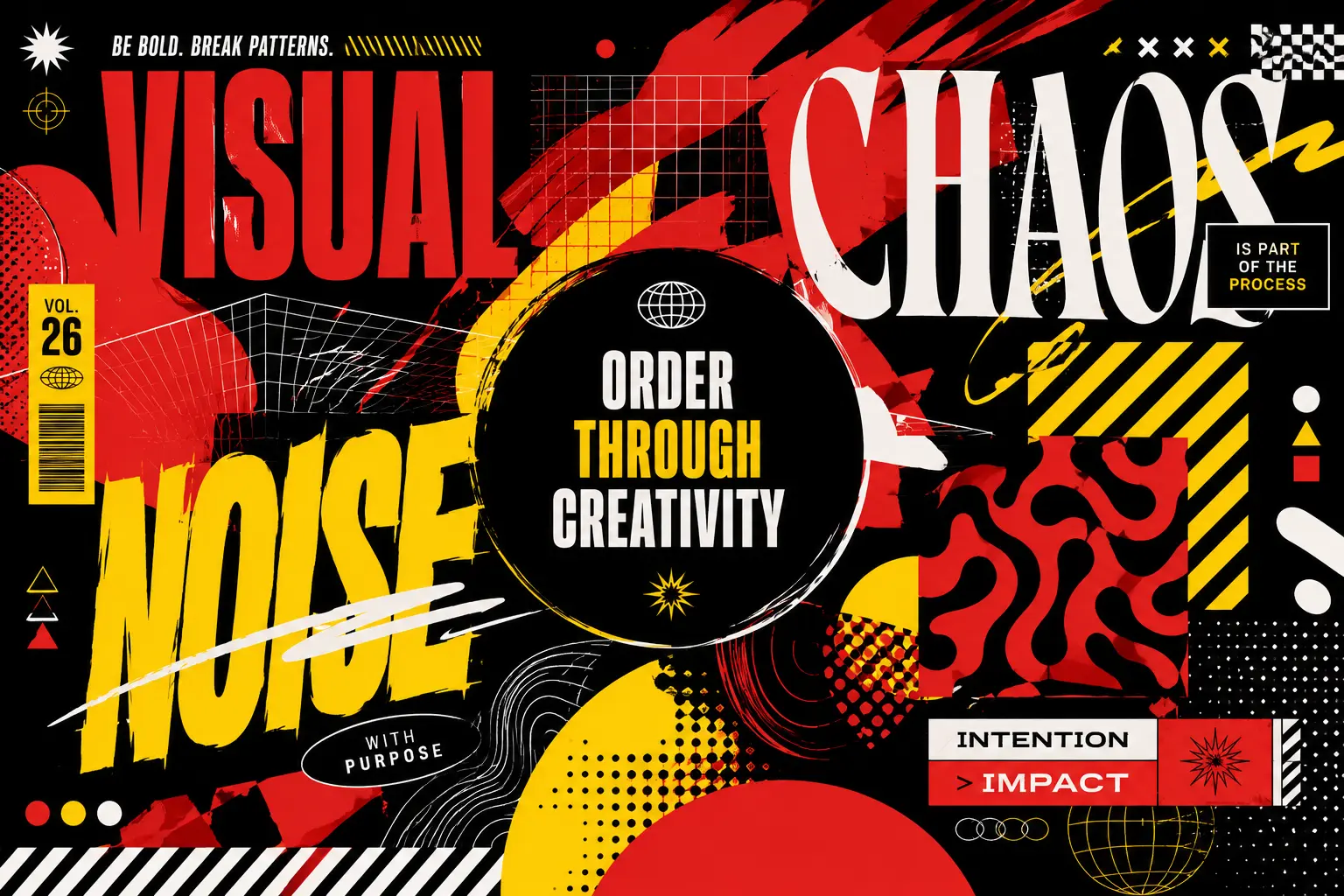
Minimalism dominated design for over a decade. In 2026, the pendulum has swung. Maximalism layered compositions, clashing colors, dense typography, and visual abundance is not just acceptable, it is intentional.
But there is an important distinction between maximalism and visual noise. The best maximalist vector work in 2026 has a clear hierarchy underneath the complexity. Every element earns its place. The chaos is controlled designed to reward attention rather than overwhelm it.
Bento Grid Layouts
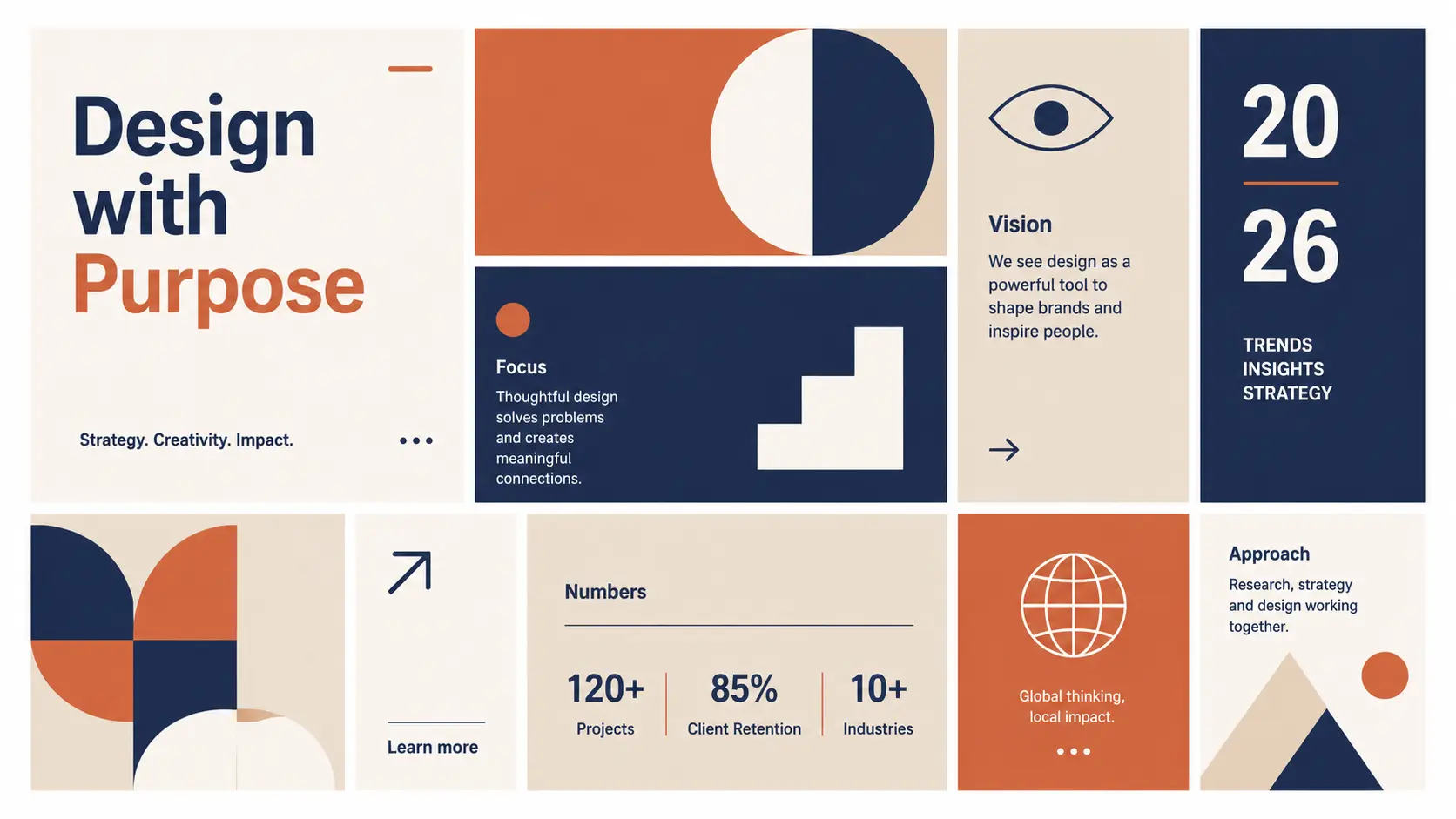
If you have spent any time on Dribbble or Behance in the last eighteen months, you have seen this everywhere and for good reason. Bento grids take their name from the Japanese lunch box, where different foods sit in separate compartments without touching. In design, that translates to modular, asymmetric grid systems where content blocks of different sizes sit in deliberate relationship to each other.
Apple popularized this layout for product marketing, but in 2026 it has moved well beyond tech. UI and UX design teams are using it for app interfaces and dashboards. Brand designers are adapting it for social media visuals and presentations. It works because it gives structure to complexity which is exactly what clients with a lot to say actually need.
Motion-Ready Vector Design
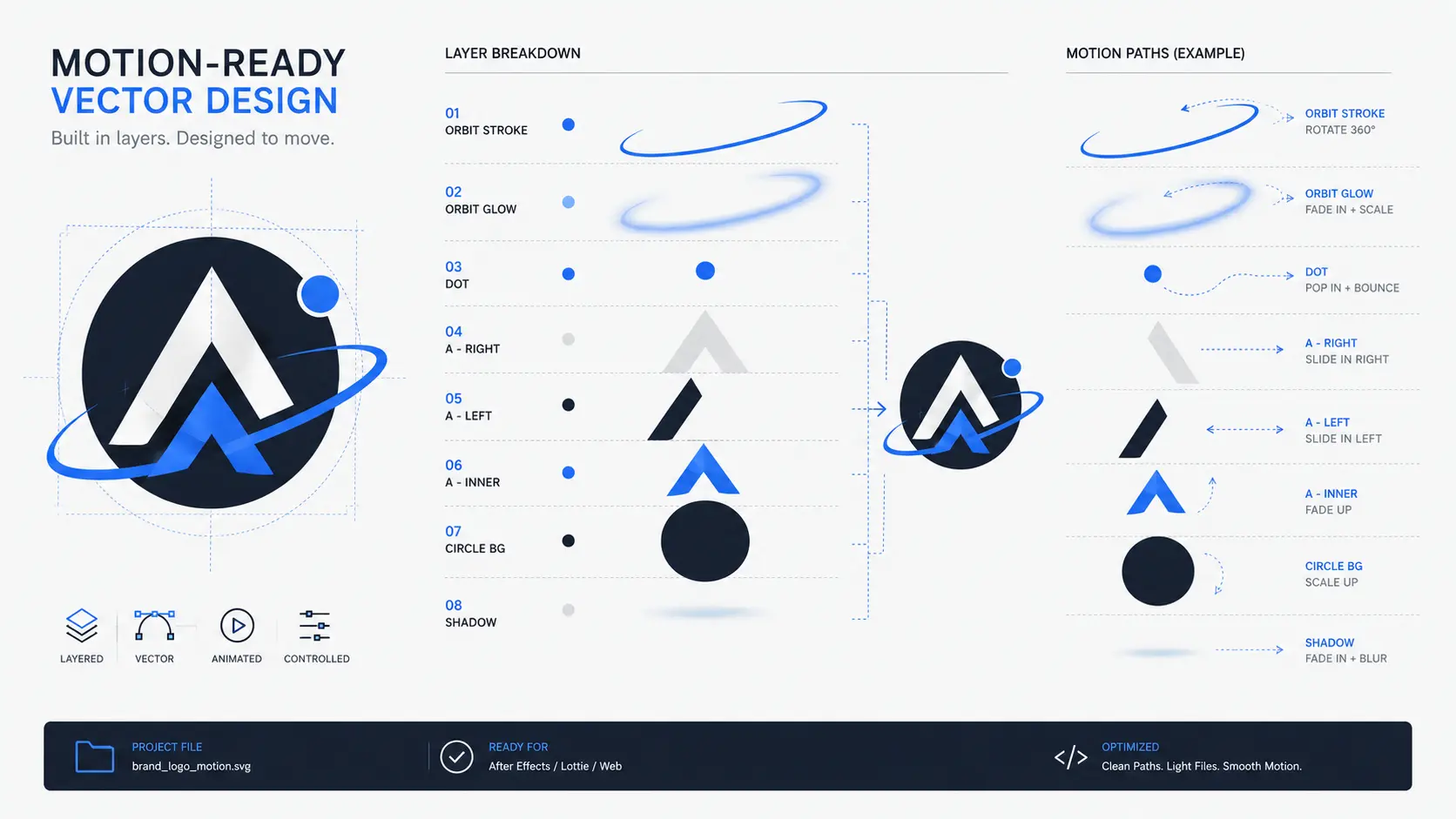
The line between static and moving design has been blurring for years. In 2026, it has effectively disappeared for anyone working on digital projects. Clients who commission a logo or brand identity today almost always need it to move on a website, in a social media story, or as part of a digital campaign.
The practical result is that the handoff between a vector designer and an animator or between Illustrator and After Effects becomes significantly cleaner. Less time rebuilding assets, more time on the actual motion work.
Organic and Handcrafted Shapes
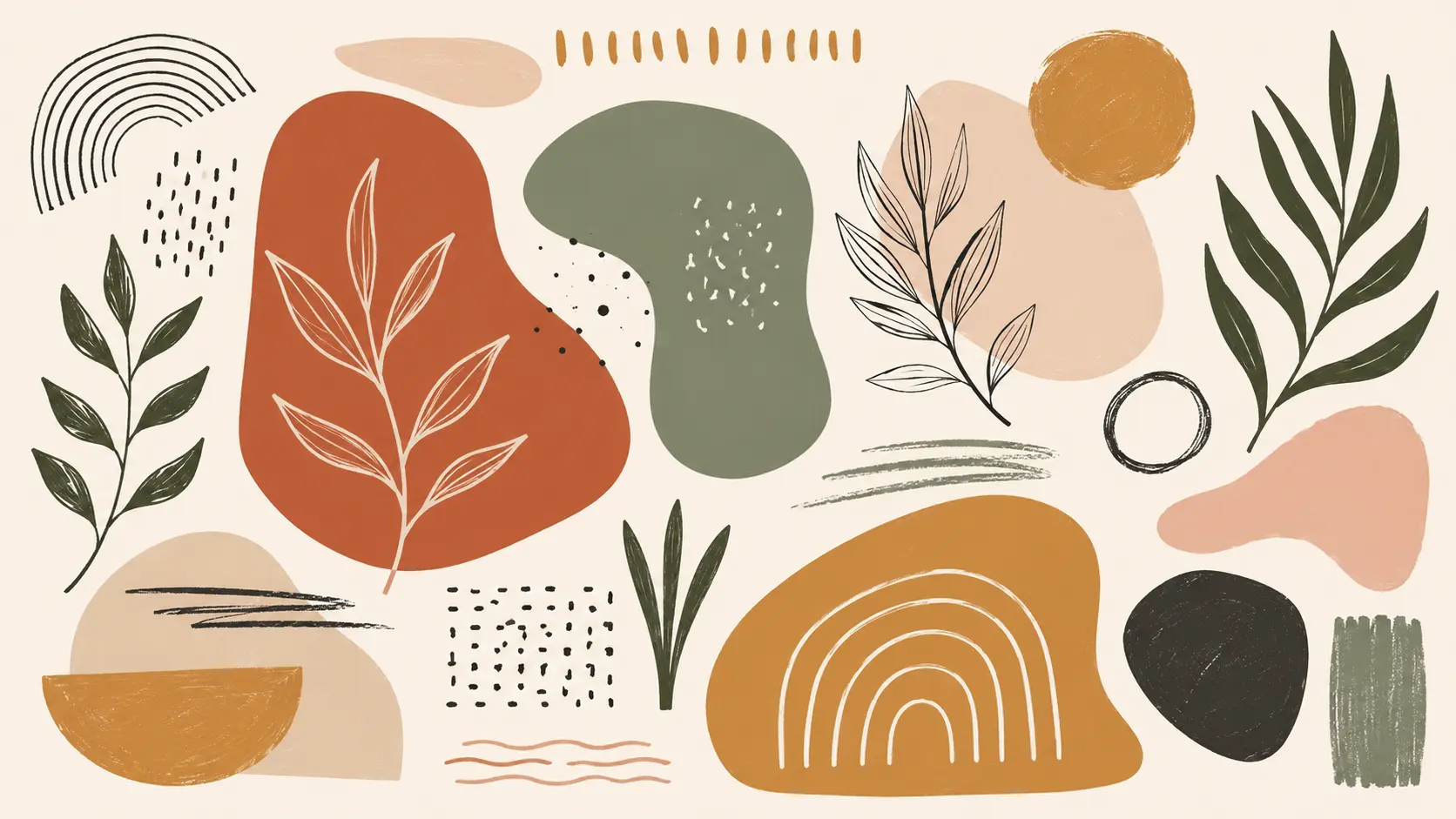
There is a direct reaction happening to the precision of AI-generated and algorithmically perfect design. Organic shapes irregular curves, hand-drawn linework, imperfect fills are appearing more frequently in serious brand identity work and illustration precisely because they signal something that perfect geometry cannot: that a human made a decision here.
In vector design, achieving this deliberately is more technically demanding than it sounds. The tools are built for precision. Creating something that feels genuinely hand-drawn in Illustrator requires unlearning some of the software’s defaults turning off snapping, working with the pencil tool instead of the pen tool, leaving slight inconsistencies in stroke weight.
Sustainable Design Aesthetics
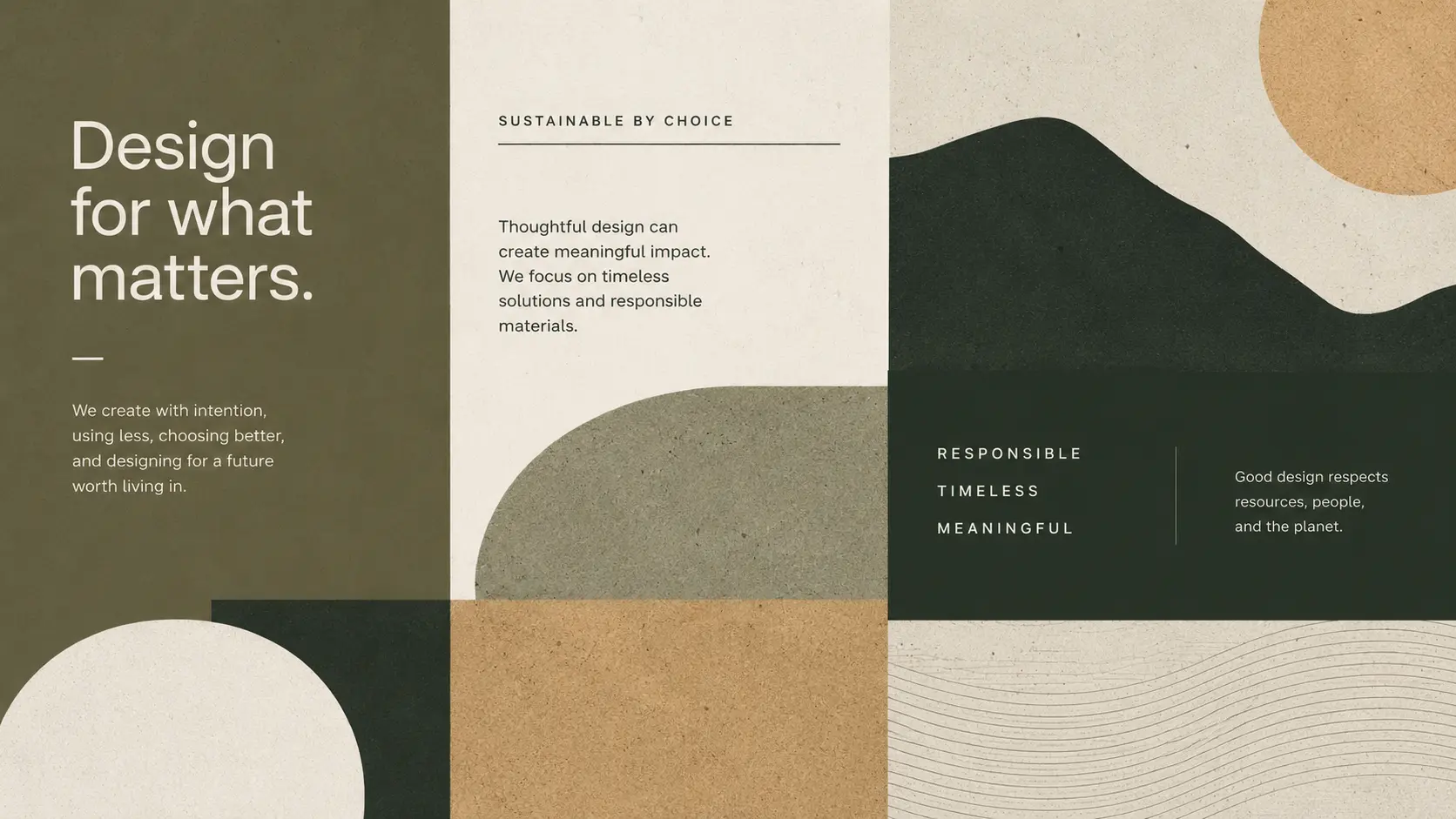
What has replaced it is more considered. Earthy, desaturated palettes. Textures that reference natural materials, paper grain, unbleached fibers, raw surfaces translated into vector form. Typography that feels considered rather than corporate. Compositions with deliberate negative space that avoid the visual excess associated with overconsumption.
The challenge for designers is that this aesthetic can tip quickly into cliché. The difference between sustainable design that feels authentic and sustainable design that feels like greenwashing often comes down to restraint knowing what not to add as much as knowing what to include.
For packaging and branding projects where sustainability is a genuine brand value, this visual language done well builds real trust with an audience that has become increasingly good at spotting the difference.
Conclusion
If you are working on a brand identity, illustration project, or any visual asset that needs to stand out, get in touch we work across all of these disciplines at Kiwistic, from initial concept to final delivery.
FAQ
What are the biggest vector design trends in 2026?
Is flat design still relevant in 2026?
What software do professional vector designers use in 2026?
Adobe Illustrator remains the industry standard for professional vector work. Figma has become the default for UI and collaborative design. For motion-ready vector work, the typical workflow moves from Illustrator into Adobe After Effects.