Introduction
Are your brochures or booklets still sporting a design from yesteryear?
In fact, studies show that tangible marketing materials like brochures can increase brand recall by up to 70%.
Staying ahead with modern design is more than looks. It’s about making a bold statement and grabbing attention.
- Bold Typography & Creative Text Layouts: Make a statement with eye-catching fonts.
- Sustainable & Eco-Friendly Materials: Appeal to environmentally conscious consumers.
- Minimalist Design & Clean Aesthetics: Embrace simplicity for a sophisticated look.
- (And More!) Keep reading to discover all the trends!
Understanding the Core of Effective Brochure Design

Why Brochure Design Matters in 2026?
- The Enduring Power of Print in a Digital World: A real brochure is a welcome change. It provides a tactile experience that digital media can’t match.
It stands out from the constant stream of emails and online ads, providing a physical reminder of your brand.
- Brochures as a Tangible Brand Experience: A brochure is more than just a piece of paper. It’s a physical representation of your brand.
The quality of the paper, the design, and the printing all contribute to the overall brand experience.
A well-designed brochure conveys professionalism, attention to detail, and a commitment to quality.
- Reaching Target Audiences Effectively: While digital marketing is crucial, not everyone is online all the time.
Brochures can be strategically distributed at trade shows, conferences, retail locations, or even through direct mail.
This allows you to reach target audiences in a tangible and memorable way.
Key Elements of a Successful Brochure
- Clear Messaging and Concise Copy: Your brochure should communicate your key message quickly and effectively.
Use clear, concise language that is easy to understand and avoids jargon. Focus on the benefits your product or service offers to the customer.
- High-Quality Visuals and Photography: Visuals are crucial for capturing attention and conveying your message.
Use high-resolution images and professional-quality photographs that are relevant to your brand and target audience.
- Strategic Use of White Space: Don’t overcrowd your brochure with text and images.
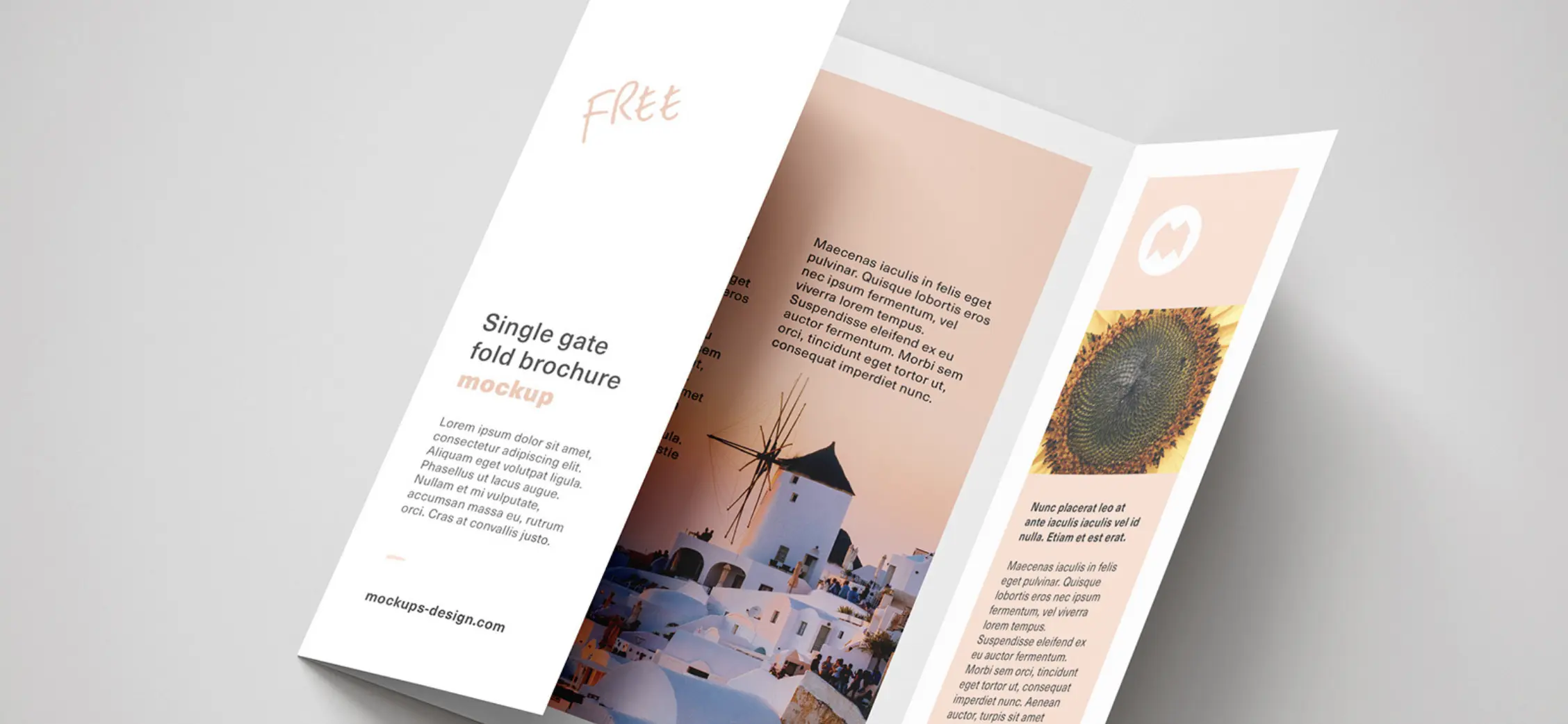
White space (or negative space) is essential for creating a clean, uncluttered design that is easy on the eyes. It helps to highlight key elements and improve readability.
- Call to Action and Contact Information: Every brochure should have a clear call to action.
This tells the reader what to do next, like visiting your website or calling for a consultation. Make sure your contact details are easy to find and displayed clearly.
Target Audience Consideration
- Who are your ideal customers? Before you even begin designing your brochure, you need to have a clear understanding of your target audience.
What are their demographics, interests, and needs? What are their pain points?
- What problems of those customers does the brochure solve? Your brochure should clearly articulate how your product or service solves a specific problem for your target audience.
Focus on the benefits, not just the features.
- What information do they need to make a decision? Provide the information your target audience needs to make an informed decision.
This may include product specifications, pricing, testimonials, case studies, or guarantees.
Top Brochure Design Trends for 2026

Trend 1: Bold Typography & Creative Text Layouts
- Description of the Trend: Forget subtle fonts! In 2026, bold typography is taking center stage. Think large, impactful fonts that immediately grab attention.
Creative text layouts involve arranging text in unexpected and visually interesting ways, moving beyond standard columns and rows.
- Examples of Bold Typography in Brochure Design: Picture a brochure with a single, powerful word.
It’s in a huge, sans-serif font that covers the whole cover. Or, consider using a bold, handwritten-style font for headings to add a personal touch.
Mixing different font weights and sizes within the same text block can also create visual hierarchy and interest. Use fonts that are easy to read but are also unique.
- How to Implement This Trend Effectively: Choose fonts that reflect your brand’s personality. Experiment with different font pairings and sizes.
Don’t be afraid to break the rules of traditional layout. Consider using text as a design element, incorporating it into shapes or patterns.
Tools like Canva and Adobe Creative Cloud Express can help you experiment with different typography options.

Trend 2: Sustainable & Eco-Friendly Materials

- Description of the Trend: People are now more aware of the environment. This means sustainable brochure design is not just a trend anymore.
It’s something people expect to see. This involves using recycled paper, soy-based inks, and eco-friendly printing processes to minimize environmental impact.
- The Growing Demand for Eco-Conscious Designs: Consumers are increasingly looking for brands that prioritize sustainability.
Using eco-friendly materials in your brochure design demonstrates your commitment to the environment and resonates with environmentally conscious customers.
- Examples of Sustainable Materials and Printing Techniques: You can choose from recycled paper, like FSC or PEFC certified.
There’s also seed paper that can be planted after use. And, vegetable-based inks are a great option too.
Consider digital printing for smaller print runs to reduce waste, and explore options like waterless printing. Communicate your sustainability efforts clearly in the brochure itself.
Trend 3: Minimalist Design & Clean Aesthetics

- Description of the Trend: Minimalism is all about simplicity and clarity. This trend focuses on clean lines and lots of white space.
It uses a limited color palette. This creates a sophisticated and uncluttered look.
- The Power of Simplicity in Brochure Design: A minimalist design can be incredibly effective in conveying your message.
By removing unnecessary elements, you draw attention to what truly matters: your key message and value proposition.
- How to Achieve a Minimalist Look: Use a limited color palette (two to three colors max). Choose a simple, easy-to-read font.
Maximize white space to create a sense of calm and clarity. Focus on high-quality visuals that speak for themselves. Less is truly more!
Trend 4: Interactive & Augmented Reality (AR) Integration

- Description of the Trend: Take your brochure beyond the printed page with interactive elements and augmented reality (AR).
This means adding QR codes, clickable links, or AR experiences. These let readers interact with your brand in fresh ways.
- How AR Can Enhance the Brochure Experience: Imagine a brochure that comes to life when viewed through a smartphone. AR can be used in many ways.
It can show 3D models of products. It can also give virtual tours. AR can offer exclusive discounts. It can even tell a story through animated content.
- Examples of Interactive Brochure Designs: Include QR codes that link to product videos, online ordering pages, or social media profiles.
Use AR to allow customers to “try on” products virtually or see how furniture would look in their home.
Trend 5: Geometric Shapes & Abstract Patterns

- Description of the Trend: Geometric shapes and abstract patterns add visual interest and dynamism to brochure designs.
This trend uses shapes like triangles, circles, and squares. It makes backgrounds, borders, and design elements pop.
- How to Use Geometric Shapes and Patterns Effectively: Use geometric shapes to create a sense of structure and order.
Experiment with different combinations of shapes and colors. Abstract patterns can add a touch of creativity and personality to your brochure.
- Examples of Visually Striking Brochure Designs: Consider a brochure with a background of overlapping geometric shapes in bold colors.
Or, use a subtle geometric pattern as a watermark to add depth and visual interest.
Trend 6: Gradient and Duotone Color Schemes

- Description of the Trend: Gradients and duotones are back in style. They add depth and interest to brochures.
A gradient blends colors smoothly, and a duotone uses two colors for a bold look.
- How gradients and duotones create depth and visual interest: Gradients bring a sense of movement and depth to designs.
They can make backgrounds and elements pop. Duotones give images a unique and stylish look, making them stand out from traditional photography.
- Examples of vibrant brochure designs: Use a gradient background that transitions from a bright color to a softer shade.
Create duotone images using your brand colors to reinforce your brand identity.
Trend 7: Custom Illustrations and Iconography

- Description of the Trend: Original illustrations and icons can greatly enhance your brand identity and make your brochure more memorable.
Instead of relying on stock photos, consider commissioning custom artwork that reflects your brand’s unique personality.
- How custom illustrations can enhance your brand identity: Custom illustrations can make your brand story stand out.
They can also simplify complex info, making your brochure more eye-catching.
- Examples of unique brochure designs using custom illustrations: Use custom illustrations to depict your products or services in a fun and creative way.
Create a set of custom icons to represent key features or benefits.
Trend 8: Asymmetrical Layouts

- Description of the Trend: Ditch the traditional grid! Asymmetrical layouts are all about creating visual interest through imbalance.
This trend involves arranging elements in a non-uniform way, breaking free from strict alignment and symmetry.
- How asymmetrical layouts add visual interest and dynamism: Asymmetrical layouts make a brochure feel alive.
They guide your eye around, making each part stand out. This approach can also focus attention on important details, making the design more impactful.
- Examples of brochures with creative, off-balance designs: Consider a brochure with a large image on one side and a block of text on the other.
Or, use overlapping elements and varying font sizes to create a sense of visual chaos (in a good way!).
Implementing Brochure Design Trends Effectively
Aligning Trends with Your Brand Identity
- Ensuring Trends Complement Your Brand’s Personality and Values: Don’t blindly follow every trend that comes along.
Before incorporating a new design trend into your brochure, ask yourself: Does this trend align with my brand’s personality and values?
Does it feel authentic to who we are? A playful, quirky brand might use bold typography and bright colors.
On the other hand, a traditional brand might choose a simple design with classic fonts.
- Maintaining Brand Consistency: Your brochure should be consistent with your other marketing materials, such as your website, social media profiles, and email campaigns.
Use the same color palette, fonts, and imagery to create a cohesive brand experience. Consistency builds brand recognition and reinforces your message.
Choosing the Right Printing Techniques
- Exploring Different Printing Options (e.g., Digital, Offset): The printing technique you choose can significantly impact the look and feel of your brochure.
Digital printing is ideal for smaller print runs and allows for variable data printing (e.g., personalized brochures).
Offset printing is more cost-effective for larger print runs and offers higher image quality.
- Selecting Finishes That Enhance the Design: Finishes like gloss, matte, and soft-touch coatings can add a touch of sophistication.
They also protect your brochure from wear and tear. Spot UV coating can be used to highlight specific elements, such as your logo or a key image.
Embossing and debossing can add a tactile dimension to your design.
Working with a Professional Designer
- The Benefits of Hiring a Professional: DIY design tools might seem appealing, but a pro designer brings many benefits.
They have the skills and knowledge to make a brochure that looks great and meets your business needs.
They pick the best fonts, colors, and images to share your message clearly and make a strong impression.
- How to Find the Right Designer for Your Project: Start by looking at the portfolios of different designers to see if their style aligns with your brand.
Ask for recommendations from other business owners or marketing professionals.
Be sure to communicate your budget, timeline, and specific requirements clearly.
A good designer will be able to provide you with a detailed proposal and answer any questions you may have.
Consider looking for designers who specialize in brochure design for your particular industry.
Conclusion
As we’ve explored, brochure design in 2026 is all about making a statement, embracing sustainability, and creating engaging experiences.
Keeping up with the latest trends is key for making brochures that grab attention. They should also clearly share your brand’s message and connect with your audience.
A well-made brochure can boost sales, increase brand awareness, and build a strong bond with customers.
We’ll make a brochure that shows off your brand’s special side and meets your business aims. Contact us today for a free consultation!
FAQ
What are the most important brochure and booklet design trends for 2026?
The top trends for 2026 are all about making a statement. You’ll see bold typography and designs that use sustainable materials. Minimalist design is also big, focusing on simplicity.
Interactive AR integration will add a new level of engagement to designs. Geometric shapes and vibrant color schemes like gradients and duotones will be everywhere. Custom illustrations and asymmetrical layouts will also be popular.
The best trends for you, however, will depend on your brand and target audience.