Home / WordPress Guides / Plugins & Themes / 7 Menu Plugins for Enhanced User Experience

7 Menu Plugins for Enhanced User Experience

TABLE OF CONTENTS

Free WordPress Site Review

Is your WordPress setup ready for what 2026 demands?

TL;DR

All 7 plugins here are active and well-maintained in 2026: Max Mega Menu (free, 400,000+ installs, best default choice), UberMenu (premium-only, $29-39, the most tested/customizable option), WP Mega Menu (freemium), QuadMenu, Responsive Menu, Hero Menu, and Mega Main Menu (all premium via CodeCanyon).

For most WordPress sites, start with Max Mega Menu’s free version — upgrade to a premium option only if you need a specific feature it lacks.

Introduction to WordPress Menu Plugins

WordPress’s built-in menu system covers the basics, but it hits a wall fast if you need multi-column dropdowns, mega menus with images and widgets, or navigation that adapts intelligently across devices.
That’s where dedicated menu plugins come in. We tested and researched seven of them — what each one actually does well, what it costs, and who it’s actually built for — so you can pick based on your site’s real needs instead of a generic feature list.

If you’re also working through broader navigation strategy, our guide on common UI navigation patterns covers which layout fits which type of site before you even get to plugin choice.

1. UberMenu — Design Dynamic Menus with Ease
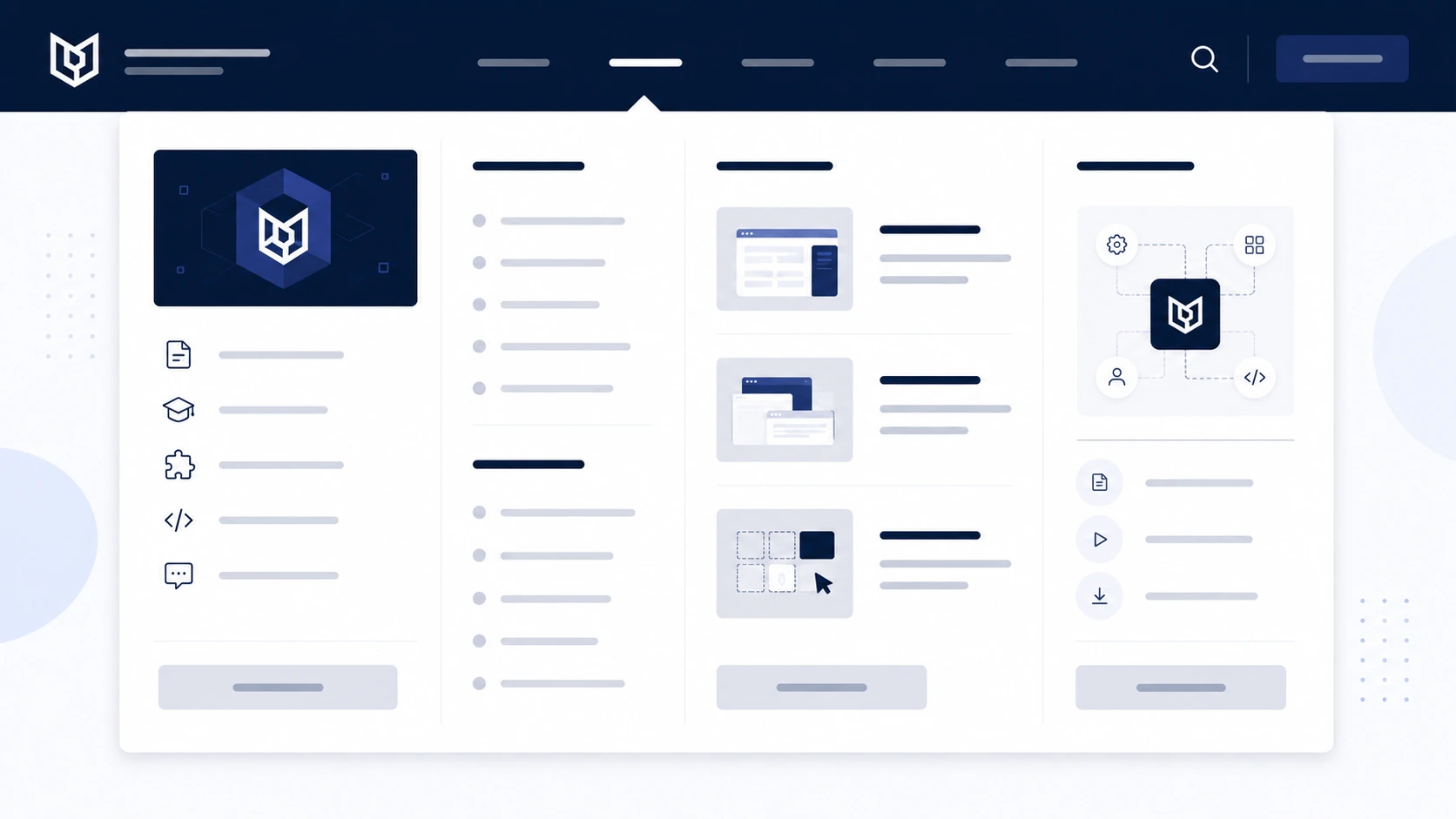
Multi-column website mega menu dropdown with image placeholders, icons, and navigation links
UberMenu is the most established mega menu plugin on this list — over a decade on CodeCanyon, 90,000+ sales, and a 4.7/5 rating from real buyers. It replaces the default WordPress menu with a fully customizable mega menu system: multi-column layouts, images, maps, forms, and widgets, all controlled through a drag-and-drop interface built into the standard Appearance > Menus screen.

Price: Premium only, $29-39 one-time (via CodeCanyon), includes 6 months of support.

Best for: Sites that need deep customization and don’t mind paying upfront for a mature, battle-tested plugin.

Website Link: UberMenu

Video Tutorial: Link

2. Max Mega Menu — Mega Features, Minimal Effort
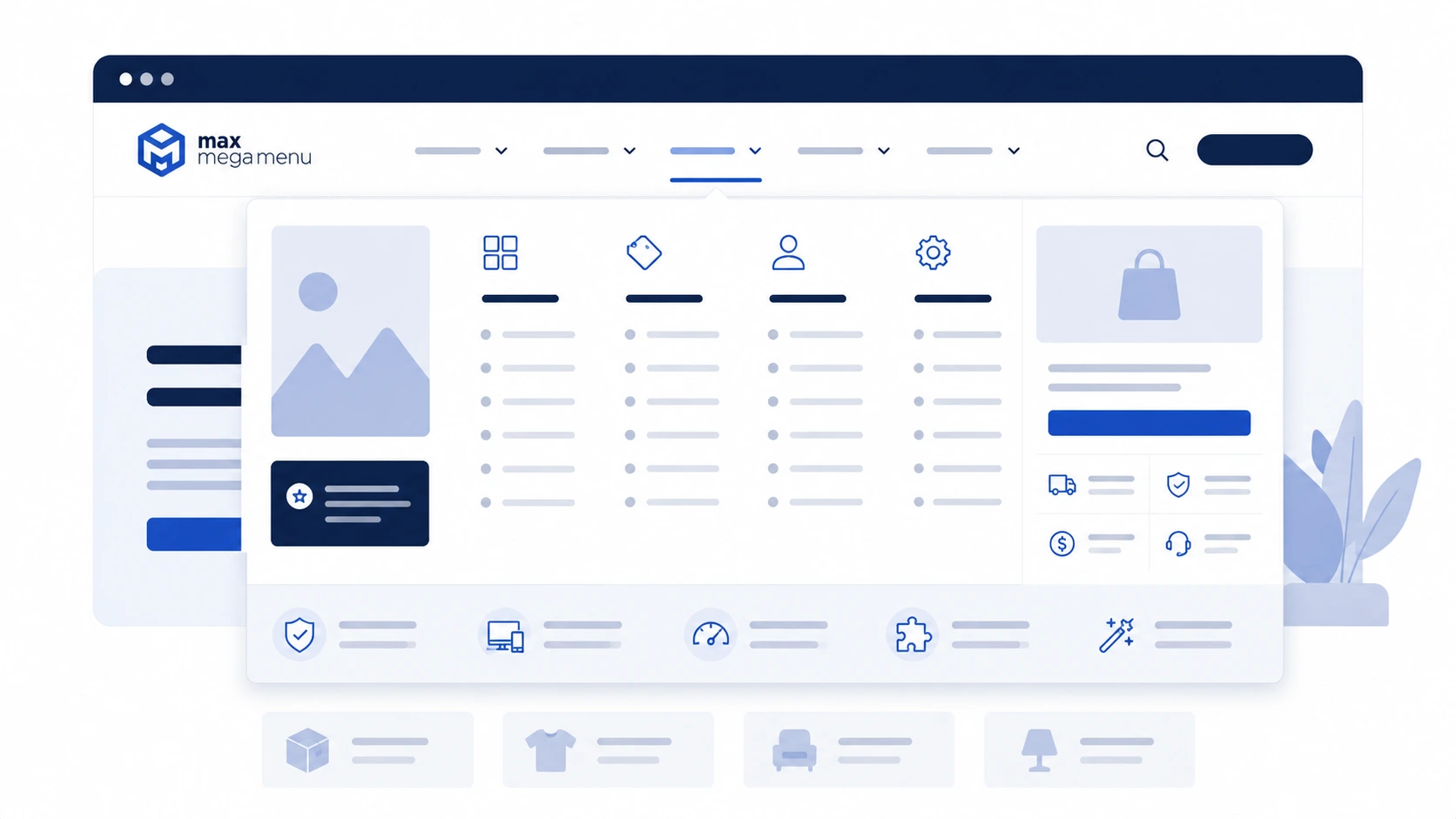
Max Mega Menu interface showing a responsive multi-column WordPress mega menu with icons, images, and navigation links
Max Mega Menu is the most widely used plugin on this list — over 400,000 active installations on WordPress.org — and works well with the block editor, page builders (Bricks, Breakdance, Divi, Elementor), and classic themes alike.
The free version is genuinely complete: design customization, widgets in submenus, responsive behavior across devices, animations, and support for multiple menu locations. The Pro add-on layers on WooCommerce cart integration, tabbed layouts, and a few advanced widget types.

Price: Free on WordPress.org; Pro add-on available for advanced features (WooCommerce integration, tabbed layouts).

Best for: Most WordPress sites — this is the sensible default choice unless you have a specific need the free version doesn’t cover.

Website Link: Max Mega Menu

Video Tutorial: Link

3. WP Mega Menu — Simplifying Complex Menus
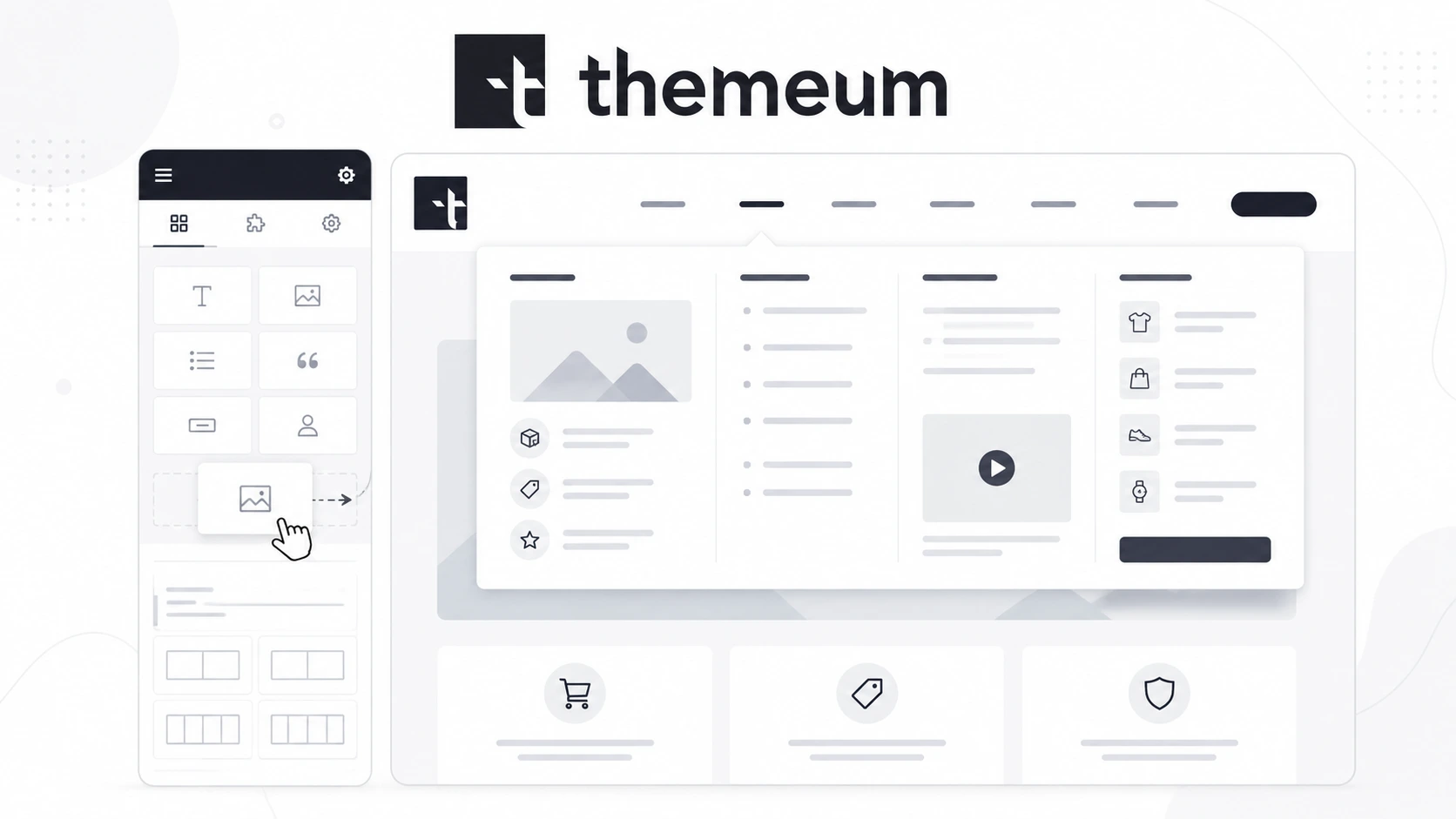
WP Mega Menu by Themeum showing a drag-and-drop multi-column menu builder with widgets, images, and live preview
WP Mega Menu, built by Themeum (the team behind the popular Kirki customizer and several WordPress themes), takes a freemium approach: a solid free version on WordPress.org, with a Pro tier for teams that need more.
The drag-and-drop builder lets you construct multi-row, multi-column submenus without touching code, pulling in posts, pages, and custom links dynamically rather than requiring manual setup for each item. The real-time preview means you see exactly what visitors will see as you build, instead of saving and refreshing to check.

Price: Free on WordPress.org; Pro starts at $29/year for a single site license.

Best for: Sites that want a capable free option before committing to a paid plugin, with room to upgrade later if needed.

Website Link: WP Mega Menu

Documentation: Link

4. QuadMenu — Enhancing Responsiveness
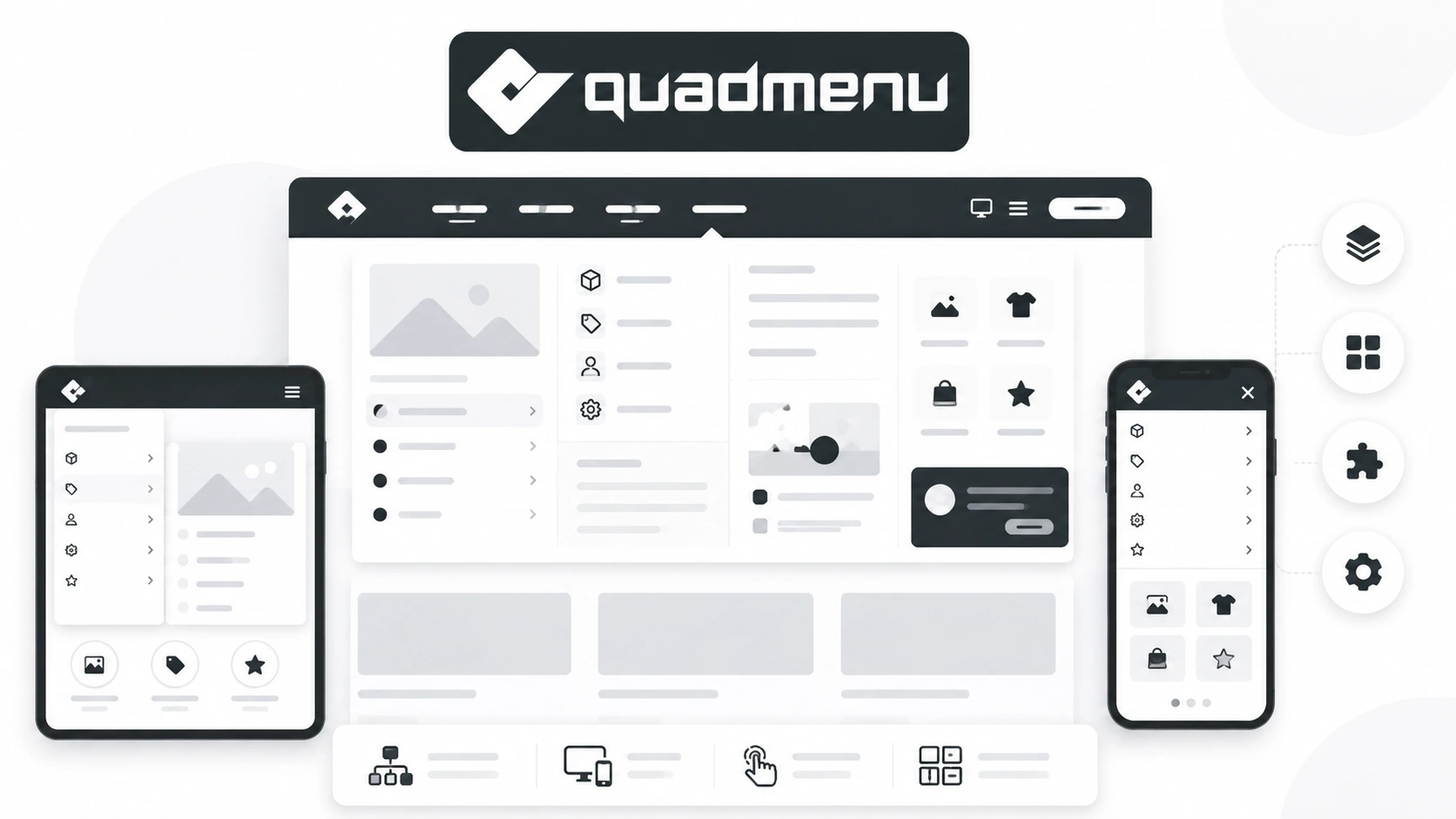
QuadMenu responsive mega menu displayed across desktop, tablet, and mobile layouts

QuadMenu is a responsive mega menu plugin built specifically around the idea that navigation should work identically well on desktop, tablet, and mobile — not have a “mobile version” bolted on afterward.

Key features of QuadMenu include:

  • Mobile-Friendly Design: A dedicated mobile menu system, not just a scaled-down desktop version, keeping navigation intuitive regardless of device.
  • Customizable Layouts: Supports images, icons, and widgets for content-rich menu designs.
  • Intuitive Interface: Built for users without deep technical experience.
  • Advanced Features: Multi-level menus, sticky headers, and interactive elements.

Price: Free version available on WordPress.org; Pro version unlocks additional templates and features.

Best for: Sites where mobile navigation quality matters as much as desktop — e-commerce and content-heavy sites in particular.

Website Link: QuadMenu

Documentation: Link

Installed a Plugin, Still Not Sure It's Configured Right?

A menu plugin is only as good as its setup — wrong breakpoints or a missed mobile config can make even the best plugin feel broken.

5. Responsive Menu — Mobile-Friendly Magic
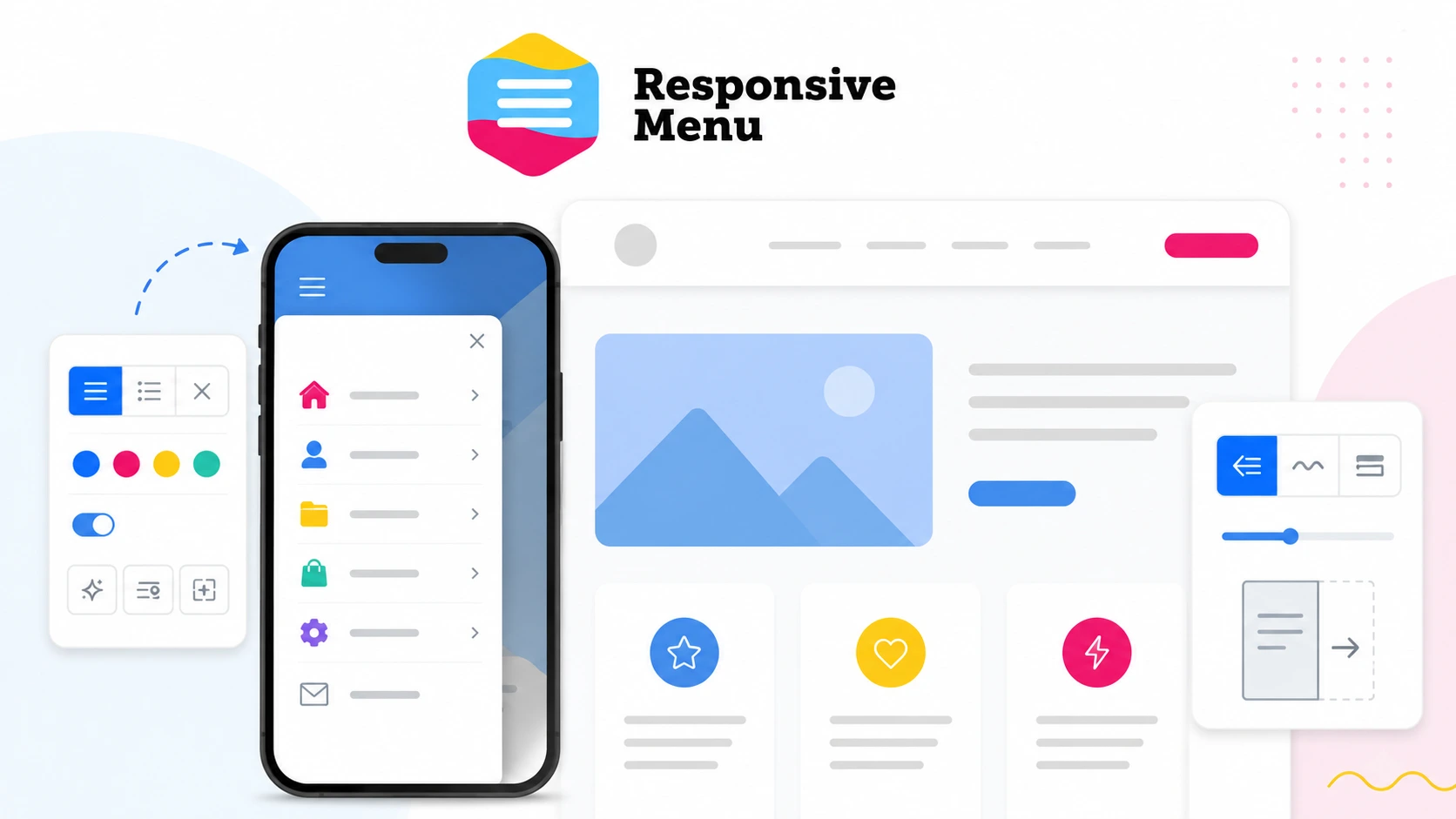
Responsive Menu plugin showing a customizable mobile navigation menu alongside a desktop website layout
Responsive Menu takes a different angle than the other plugins on this list — instead of building a full mega menu system, it focuses specifically on making mobile menus genuinely good, with a visual builder for animations, icons, and layout that most default mobile menus don’t offer.
It works alongside your existing desktop menu rather than replacing your whole navigation system, which makes it a lighter-weight option if mega menu features aren’t something you need — you’re specifically solving the mobile experience, not rebuilding navigation from scratch.

Price: Free version on WordPress.org with core functionality; Pro version ($49+/year) adds advanced animations, mega menu support, and WooCommerce integration.

Best for: Sites with a functional desktop menu that just need a better, more polished mobile navigation experience without a full plugin overhaul.

Website Link: Responsive Menu

Documentation: Link

6. Hero Menu — A Menu Plugin with a Twist
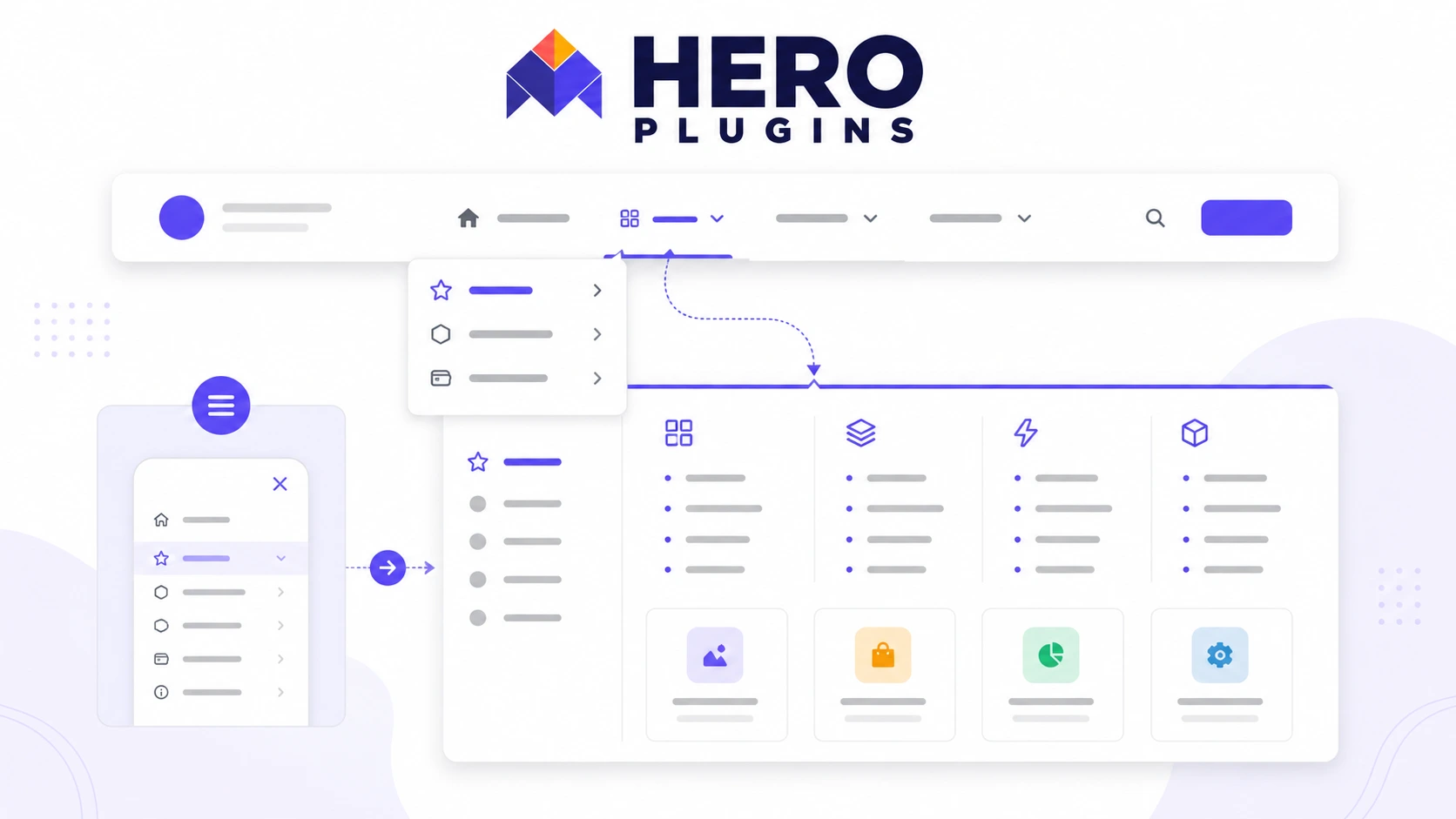
Hero Menu plugin interface showing standard dropdown navigation, a multi-column mega menu, and a mobile menu layout
Hero Menu, from Hero Plugins (the team behind Hero Maps and several other WordPress add-ons), covers both standard dropdown menus and full mega menus in one plugin — useful if you want the option to start simple and add mega menu features later without switching tools.
The drag-and-drop builder and live preview work the same way across both menu types, so there’s no separate learning curve for standard versus mega menu setups. It’s a reasonable middle-ground option: more capable than a basic dropdown plugin, without the steeper setup curve of a plugin built purely around complex mega menus.

Price: Premium only, typically sold as part of Hero Plugins’ bundle pricing or individually — check their site for current rates.

Best for: Sites that want flexibility to start with simple menus and grow into mega menus later, without switching plugins.

Website Link: Hero Menu

Documentation: Link

7. Mega Main Menu — Feature-Rich and Intuitive
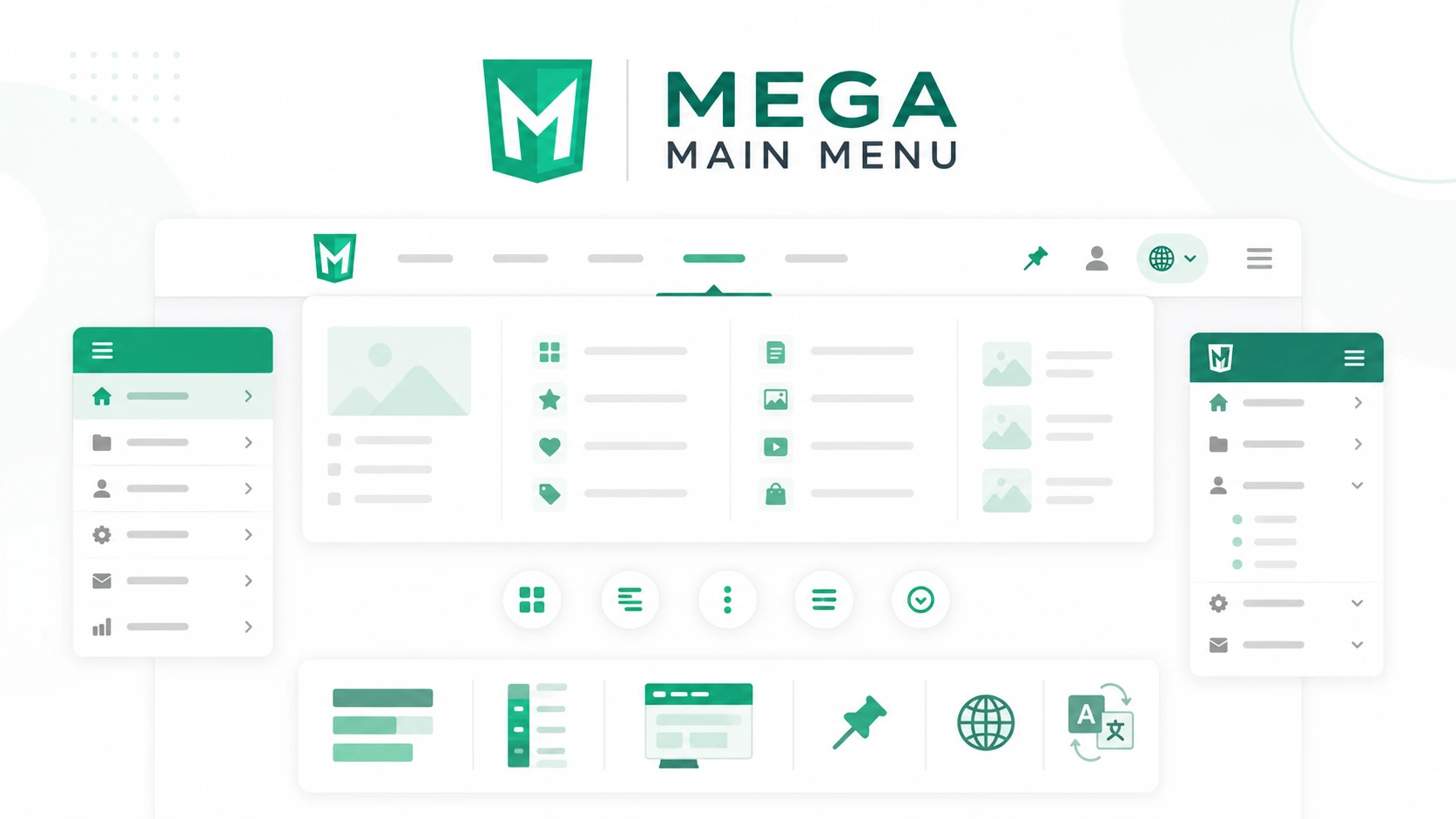
Mega Main Menu plugin showing a multi-column dropdown, mobile menus, sticky navigation, icons, and multilingual controls
Mega Main Menu has been on CodeCanyon for over a decade with 8,000+ sales and consistent updates — including recent compatibility fixes for WordPress 6.6 and PHP 8.3, so it’s actively maintained despite its long track record rather than abandoned after early success.
It supports vertical, horizontal, and dropdown menu styles in one plugin, along with sticky menu functionality (keeping navigation fixed as users scroll), over 1,600 built-in icons, and WPML support for multilingual sites. The unlimited color scheme options mean matching your brand doesn’t require custom CSS.

Price: Premium only via CodeCanyon, one-time purchase (typically $20-25 range, check current CodeCanyon listing).

Best for: Multilingual sites or those wanting sticky-menu functionality and a large built-in icon library without hunting for a separate icon plugin.

Website Link: Mega Main Menu

Documentation: Link

Plugin Price Best For
UberMenu $29–39, one-time Deep customization, mature/tested option
Max Mega Menu Free (Pro add-on available) Most sites — sensible default choice
WP Mega Menu Free (Pro from $29/year) Solid free option with room to upgrade
QuadMenu Free (Pro available) Mobile-first navigation priority
Responsive Menu Free (Pro from $49/year) Fixing mobile menu without full overhaul
Hero Menu Premium, bundle pricing Starting simple, growing into mega menus
Mega Main Menu ~$20–25, one-time Multilingual sites, sticky menu + icons

Conclusion

If you’re not sure where to start, Max Mega Menu’s free version handles most standard needs well. Reach for UberMenu or Mega Main Menu if you need deeper customization and don’t mind paying upfront, or Responsive Menu specifically if your desktop navigation already works fine and it’s just the mobile experience that needs fixing.
Whichever you pick, test it on an actual mobile device before launch, not just your browser’s responsive preview — touch targets and real screen sizes behave differently than a resized browser window suggests.

If installing and configuring any of these feels like more than you want to take on yourself — or you’re not sure which one actually fits your site’s theme and setup — that’s exactly the kind of task WordPress development support covers.

FAQ

Do I need a mega menu plugin, or does WordPress's built-in menu system work fine?
For simple sites with 5-7 top-level pages, WordPress’s built-in menu system is genuinely enough. Once you need multi-column dropdowns, images or widgets inside the menu, or a large number of categories organized visually, a dedicated plugin becomes worth it.
What's the difference between a "menu plugin" and a "mega menu plugin"?
A standard menu plugin typically improves basic dropdown behavior or mobile menu styling. A mega menu plugin replaces dropdowns with large, multi-column panels that can include images, widgets, and rich content — built for sites with deep or complex navigation structures.
Will a menu plugin slow down my website?
Most well-coded menu plugins, including the ones covered here, add minimal load time since menus render early and use lightweight CSS/JS. The bigger risk is loading a heavy plugin for a simple 5-item menu that didn’t need one — match the plugin’s complexity to your actual navigation needs.
Can I switch menu plugins later without breaking my site?
Generally yes, though menu structure and any custom styling tied to the old plugin won’t transfer automatically. Expect to rebuild the menu configuration in the new plugin — budget an hour or two for a typical site, more if you have a complex mega menu setup.
Do free versions of these plugins actually work, or do they push you toward premium?
Max Mega Menu, WP Mega Menu, and QuadMenu all have genuinely functional free versions — not crippled trial versions. Premium tiers add specific advanced features (WooCommerce integration, tabbed layouts, extra animations) rather than gating basic functionality behind a paywall.

Ognjen Velickovic

WordPress Developer & Product Manager at Kiwistic. I build and maintain WordPress sites for small businesses and troubleshoot everything from login lockouts to security issues. These guides come from real experience, so you don't have to figure it out alone.

You May Also Like…