Home / Web Design & Support / Design Principles / User Experience Design (UX Design): Why It Matters in 2026

User Experience Design (UX Design): Why It Matters in 2026

TABLE OF CONTENTS

Free WordPress Site Review

Is your WordPress setup ready for what 2026 demands?

TL;DR

UX design in 2026 is shaped by four things: AI-assisted personalization, accessibility as a baseline requirement (not an afterthought), immersive AR/VR experiences for specific use cases, and sustainable, performance-conscious design.

Good UX isn’t just about aesthetics — it directly affects conversion rates, customer retention, and development costs. The core principles that make it work haven’t changed: user research, clear information architecture, intuitive interaction design, and usability testing before launch.

Every digital product lives or dies by whether people can actually use it. UX design is the discipline behind that — not decoration layered on top of a finished product, but the process that shapes how a product works from the ground up.
This post breaks down what’s actually changed in UX heading into 2026, the principles that remain constant regardless of trends, and the tools currently worth learning (including a few that used to be standard recommendations but aren’t anymore).

What is User Experience (UX) Design? (And Why It Still Matters)

User Experience (UX) Design is all about making products and services that work well and feel good. It encompasses every aspect of a user’s interaction with a company, its services, and its products.

From the initial discovery phase to the final interaction, UX design aims to optimize the entire user journey.
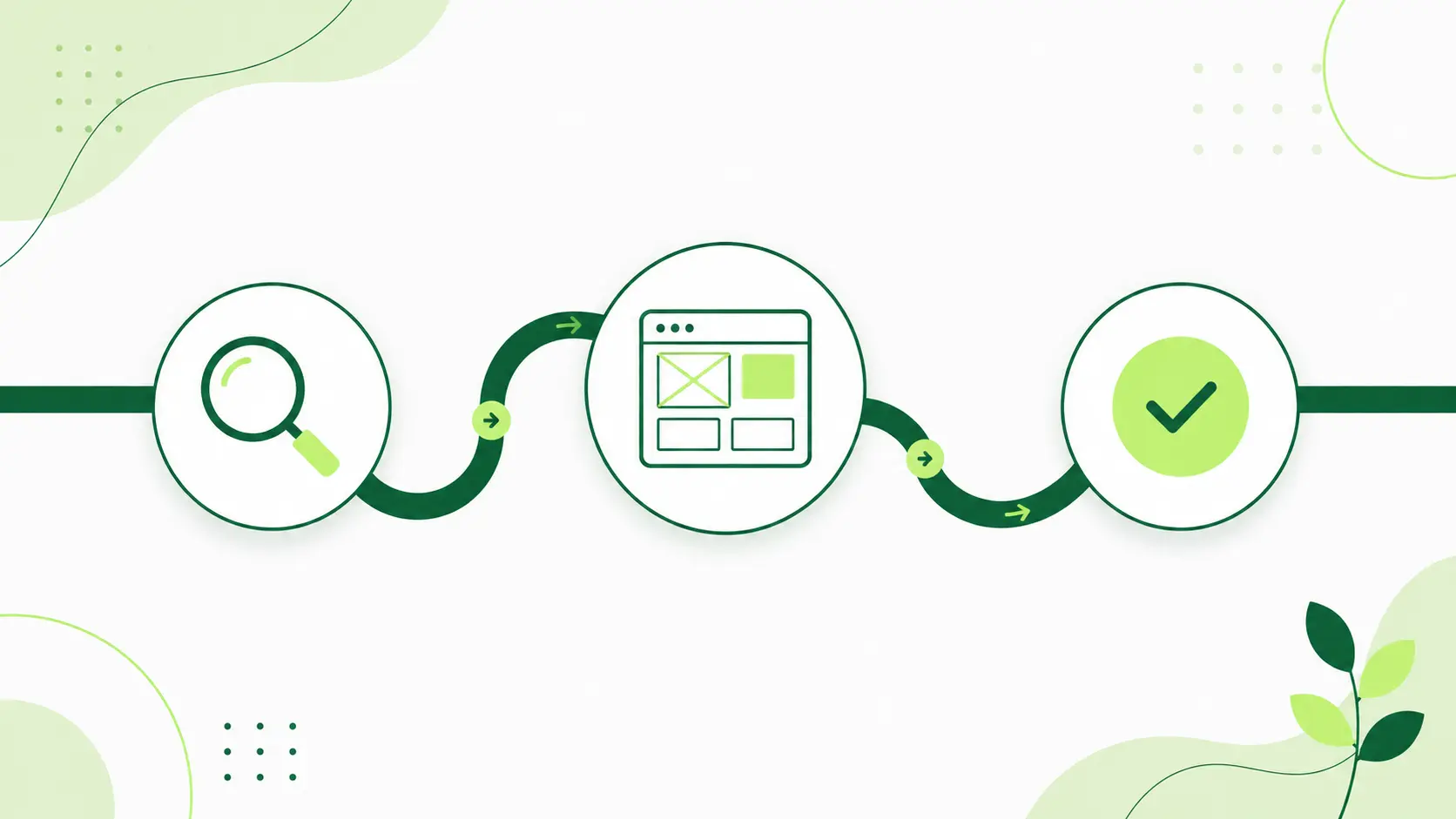
UX design process connecting user research, wireframing, and usability testing

A Quick Definition of UX

UX encompasses all aspects of the end-user’s interaction with the company, its services, and its products. It’s a human-first way of designing that incorporates usability, accessibility, and desirability to ensure a positive experience. A good user experience is intuitive, efficient, and satisfying for the user.
Hand tapping a mobile interface with simple buttons, cards, and image elements

How UX Impacts Business Goals

Investing in UX is not just about making users happy; it’s a strategic business decision. Effective UX design directly impacts key business metrics.

A good user experience makes customers happy. It also boosts sales and cuts down on support costs. Plus, it helps build a strong brand.

By focusing on the user, businesses can achieve significant and measurable results. Businesses in 2026 need a solid UX strategy for success and better customer satisfaction.

The Evolving Landscape of UX: Key Trends for 2026

The field of UX is constantly evolving, driven by technological advancements and changing user expectations. Here are the trends actually shaping UX design in 2026:
The Evolving Landscape of UX- Key Trends

1. AI and UX: A Powerful Partnership

AI has moved from novelty to standard toolkit in UX work. AI-powered tools now personalize experiences in real time, automate repetitive design tasks, and provide intelligent assistance directly inside design software.
From AI-driven chatbots to predictive analytics that anticipate user needs before they act, AI is embedded in UX workflows in 2026 — not as a future trend, but as a working part of the process.

2. Personalized Experiences: Tailoring UX to the Individual

Users expect personalized experiences that cater to their individual needs and preferences. UX designers are leveraging data and analytics to create customized user journeys.

This includes tailoring content, recommendations, and interfaces to match user behavior, demographics, and context. Personalized UX is about creating a sense of connection and relevance for each user.

3. Accessibility as a Core UX Principle

Accessibility is no longer an afterthought; it’s a fundamental aspect of good UX design. In 2026, inclusive design practices that cater to users with disabilities are a baseline expectation, not a differentiator.
This includes designing websites and apps that are accessible to users with visual, auditory, motor, and cognitive impairments. Accessible UX ensures that everyone can enjoy a positive and equitable user experience.

4. The Rise of Immersive Experiences (AR/VR)

Augmented Reality (AR) and Virtual Reality (VR) are creating new opportunities for immersive user experiences. From AR-enhanced mobile apps to VR training simulations, these technologies are transforming how users interact with digital content.

Immersive UX is about creating engaging and interactive experiences that blur the line between the physical and digital worlds.

5. Sustainability in UX Design

As environmental concerns grow, sustainable UX design is becoming increasingly important. This involves designing digital products and services that minimize their environmental impact.

This includes optimizing website performance to reduce energy consumption, promoting digital minimalism, and encouraging sustainable user behaviors.

Key Principles of Effective UX Design in 2026

While trends come and go, some core principles remain essential for effective UX design. In 2026, these principles are more important than ever:

User Research: Understanding Your Audience

The foundation of good UX is a deep understanding of your target audience. User research involves gathering insights into user behaviors, needs, and motivations through surveys, interviews, usability testing, and analytics.
By understanding your users, you can design products and services that truly meet their needs.

Information Architecture: Structuring Content Logically

Information architecture (IA) is the art of organizing content. It makes it easy for users to navigate and understand. A well-designed IA helps users find what they need quickly and efficiently. This includes creating clear navigation menus, intuitive site maps, and logical content hierarchies.

Interaction Design: Making it Intuitive

Interaction design (IxD) focuses on creating intuitive and engaging interactions between users and digital products. This involves designing user interfaces that are easy to use, responsive, and visually appealing.
Good IxD anticipates user needs and provides clear feedback to guide users through the user journey.

Visual Design: Creating an Engaging Aesthetic

Visual design is about making something look good. It must also be easy to use and reflect the brand’s identity. This includes choosing appropriate colors, typography, imagery, and layout to create a cohesive and engaging user experience.

Usability Testing: Validating Your Design Choices

Usability testing is about watching users as they use a product or service. It helps find problems and ways to make things better. By testing your designs with real users, you can validate your design choices and ensure that your product is easy to use and understand.
Kiwistic | White Logo

Struggling with Your UX?

We’ll help you identify pain points and create user-friendly solutions that boost engagement and conversions.

The ROI of Investing in UX Design

Quantifying the benefits of user experience (UX) design can solidify its importance within an organization. Investing in UX is not merely an expense; it’s a strategic investment that yields significant returns.

In 2026, the ROI of UX is clear — businesses depend on digital experiences for growth more than ever, and the data backing UX investment has only gotten stronger.
While UX ROI is hard to pin down to one universal number — it varies heavily by industry and execution — broader research points the same direction. A McKinsey study tracking design-focused companies over five years found they achieved 32% higher revenue growth and 56% higher shareholder returns than their industry peers.
The pattern holds across sectors: businesses that treat design as a strategic function, not a final polish step, consistently outperform those that don’t.

1. Increased Customer Satisfaction

A positive user experience directly translates to increased customer satisfaction. When users find what they need quickly, complete tasks easily, and enjoy the experience, they’re happy.

This satisfaction comes from a well-designed product or service. Satisfied customers are more likely to become loyal customers, leading to repeat business and positive word-of-mouth referrals.

2. Higher Conversion Rates

UX design plays a crucial role in optimizing conversion rates. UX designers make it easy for users to take actions they want. They remove obstacles and make calls to action clear.
This can be as simple as buying something, signing up for a newsletter, or asking for a demo. Improved conversion rates directly impact revenue and profitability.

3. Reduced Development Costs

Investing in UX design early in the development process can significantly reduce development costs in the long run.
By identifying and addressing usability issues upfront, UX designers can prevent costly rework and redesign later on. A well-designed product requires fewer revisions, leading to faster development cycles and lower overall costs.

4. Improved Brand Loyalty

A consistent and positive user experience builds trust and strengthens brand loyalty. When users have a good experience with a brand, they feel a strong bond with it. This bond is built on trust and satisfaction.

It makes them loyal and happy to recommend the brand to others. This leads to increased customer retention, brand advocacy, and a competitive advantage in the marketplace.

UX Design Challenges and How to Overcome Them in 2026

Despite its many benefits, UX design also presents several challenges. In 2026, UX designers need to overcome these challenges to create truly exceptional user experiences.

Keeping Up with Rapid Technological Advancements

The speed of new tech is getting faster, making it hard for UX designers to keep up. To beat this challenge, UX designers must keep learning. They should go to industry conferences and try out new tools and methods.

Balancing User Needs with Business Goals

UX design requires balancing user needs with business goals. It’s key to focus on the user experience, but we must also match design choices with our business goals. 

To do this, UX designers should work well with different teams. This includes marketing, sales, and product management.

Ensuring Accessibility for All Users

Creating accessible user experiences for users with disabilities can be challenging, but it’s a critical responsibility for UX designers. To make sure accessibility is top-notch, UX designers must follow key guidelines.

This includes sticking to standards like WCAG. They also need to test their designs with people who have disabilities.

Using assistive technologies is another crucial step. This helps designers see how their work will function for everyone. It’s all about making sure everyone can use what they create.

Measuring the Impact of UX Efforts

Measuring the impact of UX design can be tough, but it’s key to show its worth. To measure UX well, designers must set clear goals.

They should use analytics tools to track how users behave. Also, they need to do user surveys to get feedback on satisfaction and usability.

Tools and Technologies Shaping UX in 2026

The UX design process relies on a variety of tools and technologies. In 2026, these tools will continue to evolve, empowering designers to create even more innovative and user-centered experiences. Here are some of the key categories:

Design Software (Figma, Sketch, Framer)
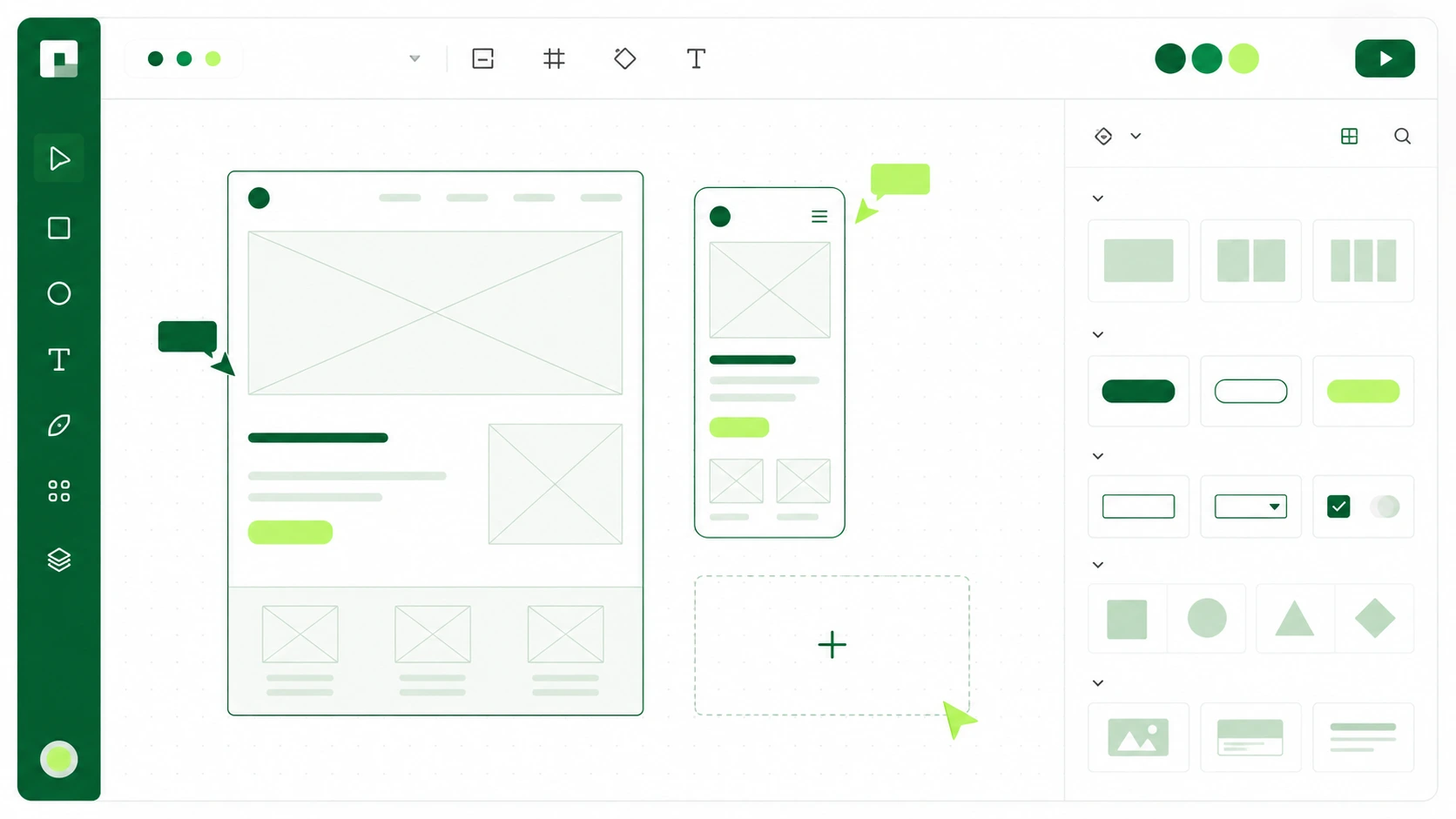
Design tool interface with wireframe layouts, component library panel, and cursor showing real-time collaboration
Design software like Figma, Sketch, and Framer are the essential tools for [creating wireframes](internal link), mockups, and prototypes today. All three offer collaborative editing, version control, and component libraries that keep design teams working from the same source of truth.
Figma remains the default starting point for most new design workflows — its cloud-based nature is particularly relevant for distributed teams. Framer has grown into a strong option specifically for teams that want to go from design directly to a publishable, interactive site without a separate development handoff.
Prototyping used to require a separate tool — InVision and Marvel were the standard choices for years — but that functionality has largely moved into Figma and Framer themselves, which is part of why dedicated prototyping tools have mostly disappeared from current design workflows.

User Testing Platforms (UserTesting.com, Maze)

Maze | Test Design

User testing platforms such as UserTesting.com and Maze provide a way to conduct remote usability testing with real users.

These platforms let designers watch users interact with their designs. They can gather feedback and find areas to improve. UserTesting.com offers video recordings of user sessions, while Maze focuses on quantitative data and analytics.

Analytics Tools (Google Analytics, Hotjar)
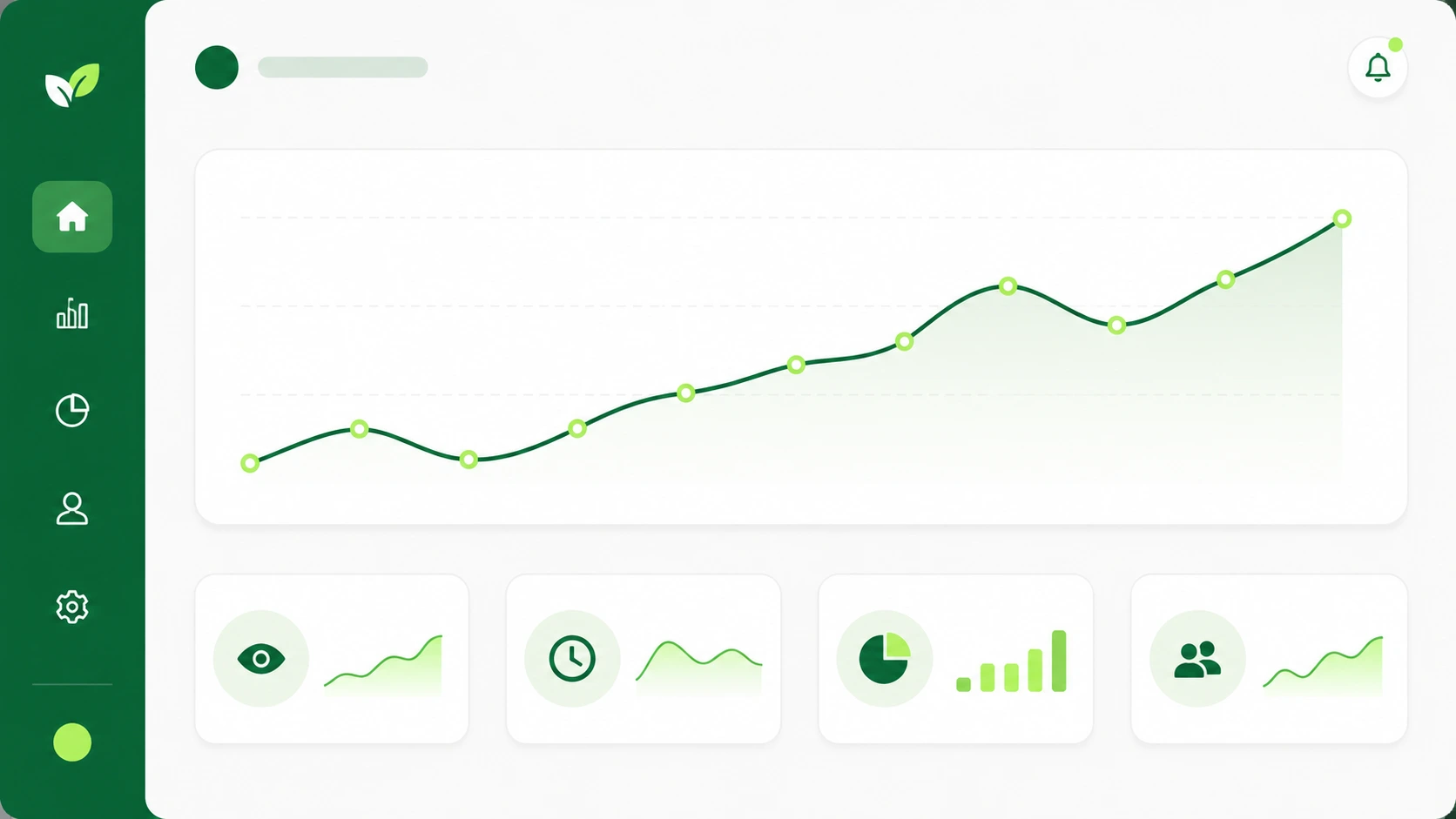
Simple analytics dashboard with a trend line graph and metric cards showing views and time on page

Analytics tools like Google Analytics and Hotjar provide valuable insights into user behavior.

These tools allow designers to track key metrics, such as page views, bounce rates, and conversion rates. Hotjar offers heatmaps and session recordings, providing a visual understanding of how users interact with a website or app.

The Future of UX Design: Looking Beyond 2026

The field of UX design is constantly evolving, and the future holds exciting possibilities. Looking beyond 2026, here are some of the trends likely to shape where UX goes next:

The Continued Integration of AI

Artificial intelligence (AI) will continue to play an increasingly important role in UX design. AI-powered tools will automate tasks, personalize experiences, and provide intelligent assistance to users.

Expect to see more sophisticated applications of AI in areas such as chatbot design, predictive analytics, and adaptive interfaces.

The Evolution of Voice and Gesture Interfaces

Voice and gesture interfaces are becoming increasingly prevalent, offering new ways for users to interact with technology. As these interfaces evolve, UX designers will need to adapt their skills and design new interaction paradigms.

This includes designing voice commands that are intuitive and natural. It also includes gesture controls that are easy to learn and use.

The Importance of Ethical UX Design

As technology becomes more integrated into our lives, ethical UX design will become increasingly important. This means making products and services that are easy to use and ethical.
UX designers must think about how their work affects society. They should aim to create products that help people and society as a whole.

Conclusion

UX design isn’t a trend to react to — it’s the discipline that determines whether a digital product actually works for the people using it. In 2026, that’s not optional for companies that want to compete.
The trends worth tracking (AI, accessibility, sustainability) all matter, but they build on the same core principles that haven’t changed: understand your users, structure content logically, test before you launch. Get those right, and the trends take care of themselves.
If your site’s UX hasn’t had a real look in a while, that’s usually where the easiest wins are hiding — a UX/UI audit is the fastest way to find out where those wins are, without committing to a full redesign upfront.

FAQ

Is UX design the same thing as UI design?

No, though they’re closely related. UI (user interface) design is about the visual layer — colors, typography, buttons, layout. UX (user experience) design is broader: it covers the entire journey, including how information is structured, how easy tasks are to complete, and whether the product actually solves the user’s problem. Good UI without good UX still frustrates users; good UX makes even a simple UI feel effortless.

My website looks fine, but visitors don't convert. Could this be a UX problem?
Very possibly. A site can look polished and still have real UX problems — confusing navigation, unclear calls-to-action, forms that ask for too much, or a checkout process with too many steps. Visual polish and usability are different things, and it’s common for a good-looking site to still lose visitors at exactly the moments that matter most.
Do I need a full UX redesign, or can smaller changes help?
Smaller, targeted changes often make the biggest difference. A full redesign makes sense when the underlying structure is fundamentally broken, but many UX issues (a confusing menu, a buried contact form, unclear pricing) can be fixed without touching everything else. Start with usability testing to find out which one applies to your situation.
Is UX design worth investing in for a small business, or is it only for large companies?
It matters more for small businesses in some ways, not less — a small business can’t absorb the cost of losing visitors to a confusing site the way a large company with bigger marketing budgets can. UX improvements don’t require a big budget either; even fixing navigation, page speed, and mobile responsiveness delivers real results without an enterprise-level investment.
How do I know if my site's UX actually needs work?
Watch for the signs: high bounce rates, visitors leaving during checkout or signup, frequent “how do I…” questions from customers, or a site that hasn’t been reviewed in over a year while your business has changed. If you’re not sure, a UX audit is the fastest way to find out exactly what’s working and what isn’t.

Igor

I leverage my diverse background to help businesses stand out with creative and strategic digital design.

You May Also Like…