TL;DR
How AI in Web Design Is Transforming Website Creation
That’s exactly the kind of thinking we bring into every UX/UI design project we take on.
AI in Web Design and Its Modern Impact
AI tools and machine learning algorithms are key to this change. They help make web design more modern and user-friendly.
The Growing Role of AI Tools in Creative Design Processes
In today’s fast-paced digital world, web design needs to be quick, creative, and efficient. AI tools are crucial in meeting these demands. They automate tasks, improve workflows, and create new design ideas.
- AI programs analyze big data to predict design trends, keeping designs fresh and effective.
- AI analytics help designers create personalized user experiences. They adjust layouts and elements based on user behavior.
The Synergy of Machine Learning Algorithms and Design Aesthetics

- Machine learning works with real-time analytics to adjust designs based on user interaction.
- It learns from user feedback, keeping designs up-to-date and at the forefront of design standards.
- It improves site navigation and search functionality by predicting what each visitor is looking for.
AI in Web Design: Enhancing Website Optimization and Functionality
We’re always looking to make websites better. We use new tech to improve how websites look and work. It’s the same principle behind every WordPress development project we build, performance and usability from the ground up.

Automated Tools for Streamlined Website Performance
Personalization and Accessibility Through Cognitive Computing
Cognitive computing lets websites give users what they want. It makes websites that change based on how you use them, and it also makes websites easier for everyone to use.
Transforming User Interface with AI-Driven Web Development
We use deep analytics and machine learning to get to know and guess what users will do next. This lets us build interfaces that change and adapt to users’ needs. It’s not just about making things look good. It’s about making digital experiences that meet and exceed what users want, making them happier and more engaged.
1. Personalized Experience: AI lets us tailor user interfaces to match what each user likes, does, and has done before. This makes every visit more personal and fun.
2. Intuitive Navigation: AI helps make websites easy to get around, making it simple for new users to find what they need.
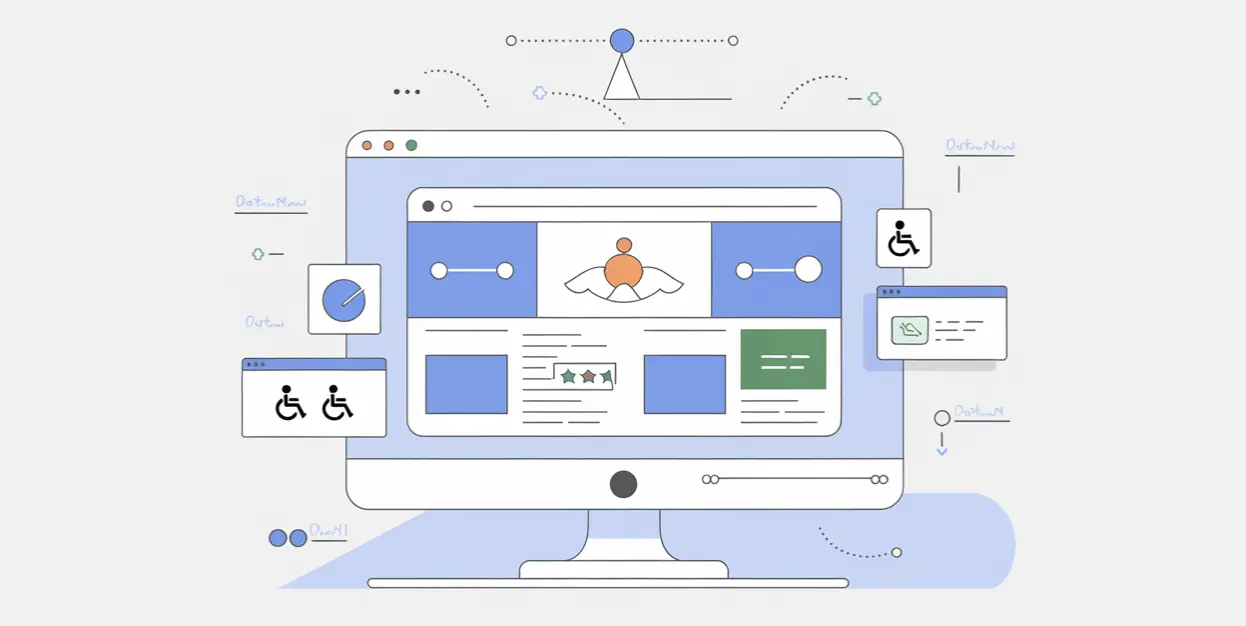
3. Accessibility Enhancements: AI helps make websites available to everyone, including those with disabilities. This makes the web a more welcoming place for all.
Revolutionizing the Creative Process with Automated Design Tools
AI is changing how we design things. Automated design tools use AI to make design faster and more accurate. They turn ideas into real projects quickly and well. This is also where a solid wireframe still matters — AI accelerates execution, but a clear structural plan is what keeps AI-assisted design from becoming generic.
These tools help create adaptive design systems. These systems make websites better for each user by changing based on what they do. This makes websites more personal and useful for everyone.
From Concept to Completion: AI’s Role in Design Efficiency
Common Mistakes When Adopting AI in Web Design
- Over-automating personalization. Letting an algorithm adjust layout, content, and tone for every visitor can quietly erode a brand’s distinct voice. AI should adapt the experience, not the identity behind it.
- Skipping human review on AI-generated layouts. Automated tools are excellent at producing options fast, but they don’t know your brand guidelines or your users’ actual pain points. A quick human pass catches mismatches AI won’t flag on its own.
- Treating every AI suggestion as final. Predictive analytics are a starting point for a design decision, not a replacement for one. The strongest results still come from a designer weighing what the data suggests against what the brand actually needs.
Conclusion
If you want the fuller picture of how AI is reshaping visibility beyond just design, see our guide on AI search optimization.