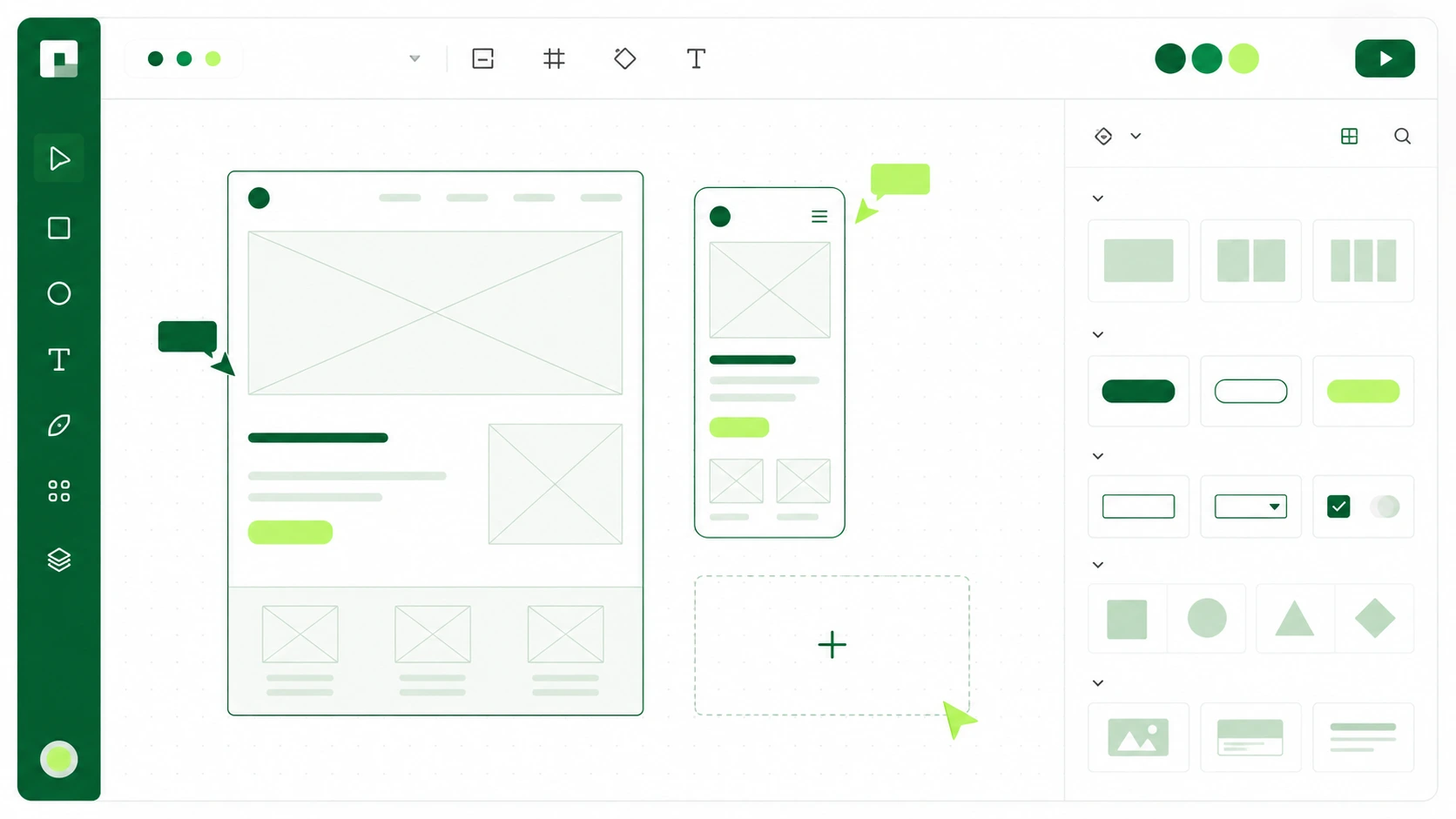
User Experience Design (UX Design): Why It Matters in 2025

}

Last updated Mar 8, 2025

TABLE OF CONTENTS

Summary

User Experience (UX) Design is essential for success in 2025. Digital experiences are now a big part of our lives. User-friendly and enjoyable design is what users expect.

This article will show you why UX Design matters more than ever. We’ll talk about the trends in 2025, like AI, personalization, and accessibility. You’ll learn about UX principles, the benefits of good UX, and the challenges designers face.

We’ll also look at the tools and the future of UX beyond 2025. Get ready to see how UX can change your business and improve your users’ experience.

User Experience Design (UX Design) is more than just a trend. It’s the key to making digital products and services work well. It focuses on how users interact with these products, making sure they are easy to use and enjoyable.

In 2025, understanding and implementing effective UX strategies is more critical than ever. This blog post will explore why User Experience Design (UX Design) matters in 2025. It will also look at the key trends shaping the future of user-centered design.

What is User Experience (UX) Design? (And Why It Still Matters)

User Experience (UX) Design is all about making products and services that work well and feel good. It encompasses every aspect of a user’s interaction with a company, its services, and its products.

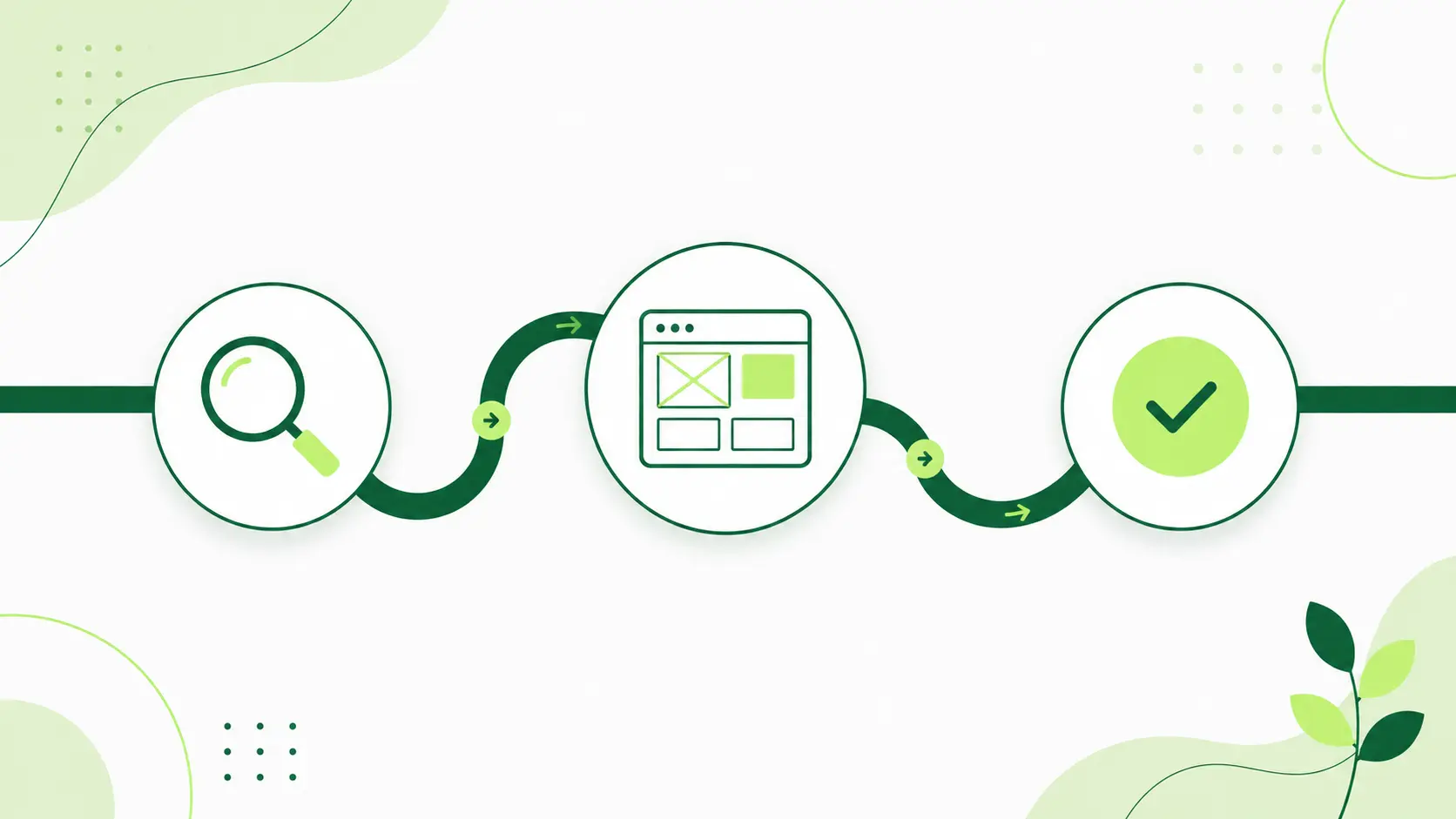
From the initial discovery phase to the final interaction, UX design aims to optimize the entire user journey.
User Experience Design (UX Design)

A Quick Definition of UX

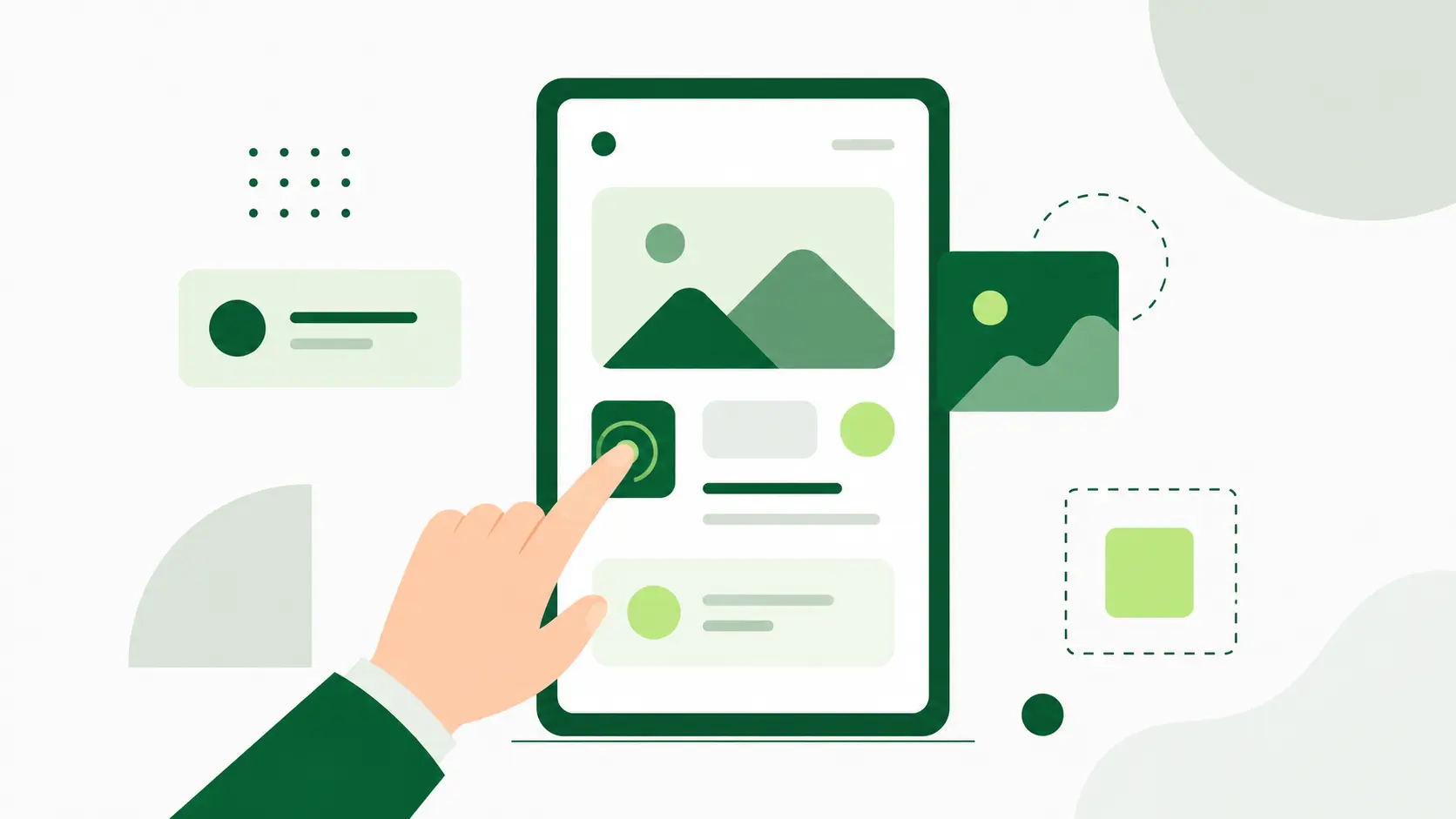
UX encompasses all aspects of the end-user’s interaction with the company, its services, and its products. It’s a human-first way of designing that incorporates usability, accessibility, and desirability to ensure a positive experience. A good user experience is intuitive, efficient, and satisfying for the user.
User Experience | End User Interaction

How UX Impacts Business Goals

Investing in UX is not just about making users happy; it’s a strategic business decision. Effective UX design directly impacts key business metrics.

A good user experience makes customers happy. It also boosts sales and cuts down on support costs. Plus, it helps build a strong brand.

By focusing on the user, businesses can achieve significant and measurable results. Businesses in 2025 will need a solid UX strategy for success and better customer satisfaction.

The Evolving Landscape of UX: Key Trends for 2025

The field of UX is constantly evolving, driven by technological advancements and changing user expectations. Here are some of the key trends that will shape UX design in 2025:
The Evolving Landscape of UX- Key Trends

1. AI and UX: A Powerful Partnership

Artificial intelligence (AI) is poised to revolutionize user experience. AI-powered tools can personalize experiences, automate tasks, and provide intelligent assistance to users.

From AI-driven chatbots to predictive analytics that anticipate user needs, AI is enhancing UX in numerous ways. In 2025, expect to see even more sophisticated applications of AI in UX design.

2. Personalized Experiences: Tailoring UX to the Individual

Users expect personalized experiences that cater to their individual needs and preferences. UX designers are leveraging data and analytics to create customized user journeys.

This includes tailoring content, recommendations, and interfaces to match user behavior, demographics, and context. Personalized UX is about creating a sense of connection and relevance for each user.

3. Accessibility as a Core UX Principle

Accessibility is no longer an afterthought; it’s a fundamental aspect of good UX design. In 2025, inclusive design practices that cater to users with disabilities are essential.
This includes designing websites and apps that are accessible to users with visual, auditory, motor, and cognitive impairments. Accessible UX ensures that everyone can enjoy a positive and equitable user experience.

4. The Rise of Immersive Experiences (AR/VR)

Augmented Reality (AR) and Virtual Reality (VR) are creating new opportunities for immersive user experiences. From AR-enhanced mobile apps to VR training simulations, these technologies are transforming how users interact with digital content.

Immersive UX is about creating engaging and interactive experiences that blur the line between the physical and digital worlds.

5. Sustainability in UX Design

As environmental concerns grow, sustainable UX design is becoming increasingly important. This involves designing digital products and services that minimize their environmental impact.

This includes optimizing website performance to reduce energy consumption, promoting digital minimalism, and encouraging sustainable user behaviors.

Key Principles of Effective UX Design in 2025

While trends come and go, some core principles remain essential for effective UX design. In 2025, these principles are more important than ever:

User Research: Understanding Your Audience

The foundation of good UX is a deep understanding of your target audience. User research involves gathering insights into user behaviors, needs, and motivations through surveys, interviews, usability testing, and analytics.
By understanding your users, you can design products and services that truly meet their needs.

Information Architecture: Structuring Content Logically

Information architecture (IA) is the art of organizing content. It makes it easy for users to navigate and understand. A well-designed IA helps users find what they need quickly and efficiently. This includes creating clear navigation menus, intuitive site maps, and logical content hierarchies.

Interaction Design: Making it Intuitive

Interaction design (IxD) focuses on creating intuitive and engaging interactions between users and digital products. This involves designing user interfaces that are easy to use, responsive, and visually appealing.
Good IxD anticipates user needs and provides clear feedback to guide users through the user journey.

Visual Design: Creating an Engaging Aesthetic

Visual design is about making something look good. It must also be easy to use and reflect the brand’s identity. This includes choosing appropriate colors, typography, imagery, and layout to create a cohesive and engaging user experience.

Usability Testing: Validating Your Design Choices

Usability testing is about watching users as they use a product or service. It helps find problems and ways to make things better. By testing your designs with real users, you can validate your design choices and ensure that your product is easy to use and understand.
Kiwistic | White Logo

Struggling with Your UX?

We’ll help you identify pain points and create user-friendly solutions that boost engagement and conversions.

The ROI of Investing in UX Design

Quantifying the benefits of user experience (UX) design can solidify its importance within an organization. Investing in UX is not merely an expense; it’s a strategic investment that yields significant returns.

In 2025, the ROI of UX will be clear. Businesses will depend more on digital experiences for growth.

1. Increased Customer Satisfaction

A positive user experience directly translates to increased customer satisfaction. When users find what they need quickly, complete tasks easily, and enjoy the experience, they’re happy.

This satisfaction comes from a well-designed product or service. Satisfied customers are more likely to become loyal customers, leading to repeat business and positive word-of-mouth referrals.

2. Higher Conversion Rates

UX design plays a crucial role in optimizing conversion rates. UX designers make it easy for users to take actions they want. They remove obstacles and make calls to action clear.
This can be as simple as buying something, signing up for a newsletter, or asking for a demo. Improved conversion rates directly impact revenue and profitability.

3. Reduced Development Costs

Investing in UX design early in the development process can significantly reduce development costs in the long run.
By identifying and addressing usability issues upfront, UX designers can prevent costly rework and redesign later on. A well-designed product requires fewer revisions, leading to faster development cycles and lower overall costs.

4. Improved Brand Loyalty

A consistent and positive user experience builds trust and strengthens brand loyalty. When users have a good experience with a brand, they feel a strong bond with it. This bond is built on trust and satisfaction.

It makes them loyal and happy to recommend the brand to others. This leads to increased customer retention, brand advocacy, and a competitive advantage in the marketplace.

UX Design Challenges and How to Overcome Them in 2025

Despite its many benefits, UX design also presents several challenges. In 2025, UX designers will need to overcome these challenges to create truly exceptional user experiences.

Keeping Up with Rapid Technological Advancements

The speed of new tech is getting faster, making it hard for UX designers to keep up. To beat this challenge, UX designers must keep learning. They should go to industry conferences and try out new tools and methods.

Balancing User Needs with Business Goals

UX design requires balancing user needs with business goals. It’s key to focus on the user experience, but we must also match design choices with our business goals. 

To do this, UX designers should work well with different teams. This includes marketing, sales, and product management.

Ensuring Accessibility for All Users

Creating accessible user experiences for users with disabilities can be challenging, but it’s a critical responsibility for UX designers. To make sure accessibility is top-notch, UX designers must follow key guidelines.

This includes sticking to standards like WCAG. They also need to test their designs with people who have disabilities.

Using assistive technologies is another crucial step. This helps designers see how their work will function for everyone. It’s all about making sure everyone can use what they create.

Measuring the Impact of UX Efforts

Measuring the impact of UX design can be tough, but it’s key to show its worth. To measure UX well, designers must set clear goals.

They should use analytics tools to track how users behave. Also, they need to do user surveys to get feedback on satisfaction and usability.

Tools and Technologies Shaping UX in 2025

The UX design process relies on a variety of tools and technologies. In 2025, these tools will continue to evolve, empowering designers to create even more innovative and user-centered experiences. Here are some of the key categories:

Design Software (Figma, Adobe XD, Sketch)

Top 10 Design Software for 2024: AdobeXD

Design software like Figma, Adobe XD, and Sketch are essential tools for creating wireframes, mockups, and prototypes. These tools have many features. They include collaborative editing, version control, and component libraries.

This makes it easier for designers to work together and create consistent designs. Figma’s cloud-based nature is particularly relevant for distributed teams.

Prototyping Tools (InVision, Marvel)

User Experience Design (UX Design): Prototyping tool like Marvel

Prototyping tools like InVision and Marvel allow designers to create interactive prototypes that simulate the user experience. These tools let designers test their designs with users.

They gather feedback and improve their designs before starting development. These tools are invaluable for ensuring usability and identifying potential issues early in the design process.

User Testing Platforms (UserTesting.com, Maze)

Maze | Test Design

User testing platforms such as UserTesting.com and Maze provide a way to conduct remote usability testing with real users.

These platforms let designers watch users interact with their designs. They can gather feedback and find areas to improve. UserTesting.com offers video recordings of user sessions, while Maze focuses on quantitative data and analytics.

Analytics Tools (Google Analytics, Hotjar)
User Experience Design (UX Design): Hotjar Analytics

Analytics tools like Google Analytics and Hotjar provide valuable insights into user behavior.

These tools allow designers to track key metrics, such as page views, bounce rates, and conversion rates. Hotjar offers heatmaps and session recordings, providing a visual understanding of how users interact with a website or app.

The Future of UX Design: Looking Beyond 2025

The field of UX design is constantly evolving, and the future holds exciting possibilities. Looking beyond 2025, here are some of the key trends that will shape the future of UX:

The Continued Integration of AI

Artificial intelligence (AI) will continue to play an increasingly important role in UX design. AI-powered tools will automate tasks, personalize experiences, and provide intelligent assistance to users.

Expect to see more sophisticated applications of AI in areas such as chatbot design, predictive analytics, and adaptive interfaces.

The Evolution of Voice and Gesture Interfaces

Voice and gesture interfaces are becoming increasingly prevalent, offering new ways for users to interact with technology. As these interfaces evolve, UX designers will need to adapt their skills and design new interaction paradigms.

This includes designing voice commands that are intuitive and natural. It also includes gesture controls that are easy to learn and use.

The Importance of Ethical UX Design

As technology becomes more integrated into our lives, ethical UX design will become increasingly important. This means making products and services that are easy to use and ethical.
UX designers must think about how their work affects society. They should aim to create products that help people and society as a whole.

Conclusion

User Experience (UX) Design is more than a trend. It’s a key discipline that boosts business success. It also shapes how we interact with digital things.
In 2025, prioritizing UX will be critical for companies that want to thrive.
By embracing trends like AI, personalization, and accessibility, businesses can make a big impact. They can focus on core UX principles to create amazing experiences. These experiences delight users and bring real results.
Looking ahead, the future of UX is bright, with exciting possibilities on the horizon. Embrace the power of UX design – your users (and your bottom line) will thank you for it.

FAQ

My website menu is confusing. Can UX design help?

Yup! UX design makes navigation easy. Imagine clear labels for everything on your website, like on a menu. No more guessing games to find what you need!

Can UX design make my website look nicer?

Sure! UX design isn’t just about function, but looks too. Think high-quality pictures, clear fonts, and colours that match – just like in the blog post!

I only have a small business. Is UX design important for me too?

Absolutely! A user-friendly website is essential for any business, big or small. Even a simple website can benefit from clear navigation, fast loading times, and a mobile-friendly design.

    Igor

    I leverage my diverse background to help businesses stand out with creative and strategic digital design.

    You May Also Like…