Home / WordPress Guides / Performance & Optimization / Boost SEO with Aggregate Rating Schema

Boost SEO with Aggregate Rating Schema

TABLE OF CONTENTS

Free WordPress Site Review

Is your WordPress setup ready for what 2026 demands?

TL;DR

Aggregate rating schema shows star ratings directly in search results using JSON-LD structured data, Google’s preferred format. It doesn’t rank your site higher on its own, but it makes your listing stand out and can meaningfully improve click-through rate.

Use only real, verifiable reviews, keep one aggregate rating schema per page, and test it with Google’s Rich Results Test before publishing.

Improve Visibility with Aggregate Rating Schema

Ever noticed how some websites catch your eye with star ratings in search results? It’s not just for looks—it’s a smart SEO move. Using Aggregate Rating Schema, businesses of all sizes boost their search visibility. This helps them stand out from others.

Google makes it easy to add this markup to your site with JSON-LD. This lets you grab the attention of potential customers before they visit your site, and it’s exactly the kind of structured data we build into every WordPress development project from the start.

Boost SEO with Aggregate Rating Schema

Introduction to Aggregate Rating Schema

Learning about aggregate rating schema can really help your website optimization. This SEO tool shows an average score from user ratings. It makes your site more appealing to potential visitors.
Introduction to Aggregate Rating Schema
Using aggregate rating schema is a smart way to boost SEO with aggregate rating. For example, a high score on search results can make people more likely to visit your site. This could help your search engine ranking improve.

Aggregate rating schema markup can help content to stand out in search engine results, increasing the likelihood of users clicking through to the website.

  • Identifying relevant pages for implementation
  • Choosing the correct schema markup code
  • Adding the markup code to your site
  • Validating the new schema code using structured data testing tools
This schema helps improve your search engine ranking and builds trust with users. It shows feedback on your product or service in search results. Remember, Google only shows real reviews.
For the best results, use only one aggregate rating schema per page. Avoid spam and make sure ratings are real. This keeps your site trustworthy and boosts your website optimization efforts.
Major search engines like Google, Bing, and Yahoo support structured data. This means your schema work will be seen on many platforms. It helps your SEO efforts a lot.

Importance of Structured Data Markup in SEO

Using structured data markup is key for better online visibility and engagement. Search engines rely more on it to understand and show web content. This makes it vital for optimizing your website.

Understanding Structured Data

Structured data markup helps search engines understand your content. Adding an aggregate rating, for example, helps Google index your content better. It’s not just for machines; it supports SEO and Google’s algorithms.

Impact of Structured Data on Search Engine Ranking

Structured data is crucial for SEO, especially as Google continues refining its guidelines. Rich snippets, enhanced by structured data, can visibly increase click-through rates by making a listing stand out with star ratings.
This matters even more on mobile, where screen space is limited and every visual element in the search results competes for attention.
Impact of Structured Data on Search Engine Ranking
Structured data markup helps Google understand your site quickly and accurately. It improves your site’s structure and helps it compete online. This ensures your content reaches the right people.
Using structured data like rich snippets and aggregate ratings meets tech standards and user expectations. It boosts SEO and drives engagement.

What Aggregate Rating Schema Brings to Your Website?

Adding aggregate rating schema to your website does more than make it look good. It also makes it work better and stand out in search results. With star ratings, review counts, and customer review snippets, you show off your site’s value and trustworthiness.
This can really help your search engine ranking. Aggregate ratings tell search engines your content is valuable and trusted. This can make your site more visible and get more clicks.

Using aggregate rating schema builds trust with customers. It shows your products and services are top-notch through star ratings in search results.

  • Star ratings from many reviews give a quick visual check of quality in search results. This builds trust with users.
  • Schema markup helps search engines understand your site’s content. This is key for staying relevant and authoritative in your field.
  • These ratings in search results can lead to more clicks. People are more likely to click on sites with positive ratings.

1. The highest rating shows the best customer satisfaction.

2. The lowest rating points out areas for improvement. It shows honesty in feedback, making your site more credible.

To get a high aggregate rating, you need lots of reviews. The more reviews you have, the more accurate your rating will be. This ongoing process of reviews and ratings can improve your search engine ranking over time.
Remember, adding these schemas to your site isn’t quick. It can take a few weeks for search engines to show the changes. So, be patient and keep at it.

Understanding the Role of Google Algorithms in Aggregate Ratings

Exploring SEO and web development trends, it’s key to understand how Google algorithms work with aggregate ratings. These ratings, made possible by structured data markup, greatly affect search results and online visibility.

How Aggregate Ratings Affect Google’s Search Results

Google values aggregate ratings highly, since most customers read online reviews before making a decision. By using structured data markup, like JSON-LD or Microdata, your site can show review snippets next to your entries in search results. This makes using review aggregate ratings a must for SEO.
How Aggregate Ratings Affect Google's Search Results
Google algorithms can quickly see the quality of your service or product through structured reviews. This helps your site show up more in search results. Google’s star rating system, based on all reviews, greatly affects consumer choices and views.

Adapting to Changes in Search Algorithms with Aggregate Rating

Keeping up with Google’s structured data guidelines is vital, since requirements around ratings and reviews schema are updated periodically. It’s essential to check the current guidelines before implementing, since specifics change and outdated markup can lead to your rich results being suppressed.

Also, keeping your aggregate ratings current and showing current customer feelings boosts your site’s credibility and appeal in search results. Update your schema regularly as new reviews come in, rather than setting it once and forgetting about it.
  • Ensure your structured data markup follows the latest SEO guidelines and Google algorithms.
  • Regularly check and update your reviews to show the true state of your business.
  • Focus on making review snippets clear and visible to improve click-through rates and trust.

Step-by-Step Guide to Implementing Aggregate Rating Schema

Welcome to your comprehensive tutorial on how to implement rating schema for SEO improvement. This guide will help you boost your site’s visibility and user engagement. We’ll cover the steps to optimize your website’s potential.

First, understand the structured data format that suits your content best. You have options like JSON-LD, RDFa, and Microdata. Google usually recommends JSON-LD for its simplicity.

Let’s start with the basics:

1. Identify Your Content Type: Pick which content types (like products or events) will get ratings. Each needs a specific schema.

2. Gather Your Data: Collect reviews and ratings. You’ll need scores and the total number of reviews for an average rating.

Now, here’s what to do next:
  • Markup Your Data: Use your chosen format to mark up your data. Follow schema.org guidelines. Include the average rating and total reviews.
  • Integrate the Schema: Add the markup to your website’s HTML. You can put it in the <head> or <body> section, based on your site’s design.
Don’t forget about validation:

After adding the schema, check it with Google’s Structured Data Testing Tool. This ensures Google can read and show your ratings in search results without errors.

Rich Results Test
Adding this structured data is a key SEO best practice. It makes your site more functional and easier to find. By following these steps, you’ll not only improve SEO but also build trust with your users. This could lead to more traffic and engagement.
The aim is to make your content easy to find and appealing in search engines. This helps you stand out online. Good luck!

The Technical Side: Choosing Between Microdata, RDFa, and JSON-LD

Understanding structured data markup is key in SEO. Microdata, RDFa, and JSON-LD each have their own benefits and challenges. Your choice affects how well you use rating schema for SEO.

Pros and Cons of Each Markup Format

Choosing the right markup format is crucial. Here’s a quick overview:
  • Microdata: Embedded in HTML, microdata is simple but needs HTML knowledge. It’s not easy for beginners.
  • RDFa: Like microdata, RDFa is in HTML. It offers more options but can be complex.
  • JSON-LD: A lightweight format, JSON-LD is in a script tag. It’s easy to modify without changing HTML.

Why JSON-LD is the Preferred Format for Aggregate Rating Schema?

JSON-LD is the top choice for improving SEO with aggregate ratings. It’s Google’s favorite and works well on many websites. This is because it’s good at defining data and easy to use.
JSON-LD keeps data separate from content. This makes it easy to update without changing HTML. This is a big plus for quick SEO improvements.

And it is easy for anyone to use, not just tech experts. This helps small businesses grow online without needing a lot of technical skills.

In conclusion, the digital world is getting more competitive. Being able to quickly adapt your SEO is key. JSON-LD is a strong tool for this. It helps you focus on improving content and visibility.

Enhancing User Engagement with Aggregate Rating Schema

Digital marketers and website owners are always looking to improve user engagement and SEO. Using an aggregate rating schema can be a game-changer, particularly when it comes to how visibly your ratings show up in search results.

Boosting Click-Through Rates with Visible Star Ratings
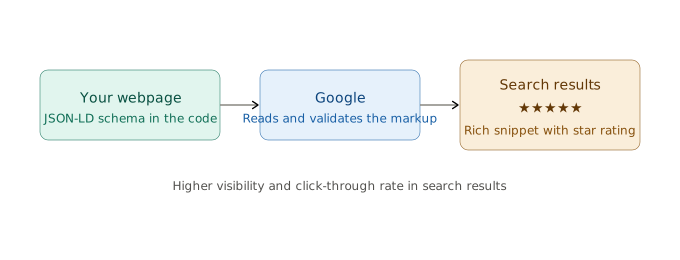
Diagram showing how JSON-LD schema markup on a webpage is read by Google and displayed as a rich snippet with star ratings in search results
Visible star ratings can increase click-through rates. They make your listings look more appealing and trustworthy. This visibility attracts more viewers and encourages them to engage more with your content.
To get the most out of this, it’s important to use accurate and relevant structured data markup. This schema standardizes your data, giving search engines clear information to display in search results.
By following SEO best practices and keeping your ratings transparent and accurate, you can improve user satisfaction and retention. Aggregate ratings show real user opinions and give new visitors a quick look at your offerings’ quality. This directly affects their interaction decisions.

Whether you use a plugin like WP Review Slider Pro or a custom solution, adding this schema is crucial. It’s essential for businesses aiming for long-term success in digital spaces through better user engagement and SEO.

Why You Should Consider Hiring an Expert for Aggregate Rating Schema Setup?

Getting into structured data markup can really boost your online presence. When you add aggregate rating schema to your website, you’re doing more than just coding. You’re building trust with users and search engines. Here’s why getting a pro can really help.

Professional Implementation versus DIY

Choosing to work with a WordPress development team for aggregate rating schema setup means perfect integration. Experts know the schema standards inside out. They make sure your site follows search engine rules. This avoids mistakes that could harm your site’s reputation or even get you penalized.

  • Experts use smart strategies like combining LocalBusiness and Review Schemas to boost local search visibility.
  • They keep your schema up to date with search engine standards, maximizing your SEO impact.

Optimizing Your Schema for Maximum SEO Impact

Getting your structured data markup right is key for SEO success. An expert in aggregate rating schema can make your site more visible and engaging.
  • They use review snippets to show customer ratings in search results, improving your site’s credibility and traffic.
  • Regular checks and tweaks with tools like Google Search Console keep your schema effective and safe from penalties.
Investing in an expert for your aggregate rating schema setup pays off in the long run. They help avoid mistakes that could hurt your SEO and ensure your site follows search engine best practices. Their expertise is priceless.
By picking a pro who knows how to add aggregate rating schema to your website, you get a solid foundation. This framework supports your SEO now and adapts to future search tech changes.

Conclusion

Using an aggregate rating schema is a meaningful step up for your website’s search visibility. Star ratings displayed directly in search results give potential visitors a quick, credible signal before they even click through to your site.
Customer feedback shapes how people perceive your business online, whether it’s a handful of reviews or hundreds. A schema that keeps this feedback visible and accurate helps build that trust before someone lands on your page.
SEO is always changing, and using an aggregate rating schema keeps you ahead. It works on any website, building trust and making your site more visible. It also helps more people find your site and can lead to more sales.

Your marketing tools should include these schemas to show search engines your content is relevant. Google wants ratings data to be clear and accurate. Since schema needs to stay current as new reviews come in, this is exactly the kind of ongoing detail covered under our WordPress maintenance plans — so it never goes stale after the initial setup.

FAQ

Does aggregate rating schema directly improve my search engine ranking?

Not directly. Google has confirmed that review snippets and star ratings don’t function as a ranking factor on their own. What they do is make your listing more visually distinct in search results, which tends to improve click-through rate — an indirect but meaningful SEO benefit.


Can I add aggregate rating schema if I don't have real customer reviews yet?
No. Google’s guidelines require ratings and reviews to be genuine and verifiable. Adding schema with fake, placeholder, or self-created ratings violates structured data policy and can get your rich results manually suppressed once discovered.
How many reviews do I need before adding aggregate rating schema?
There’s no official minimum, but a handful of genuine reviews is enough to start. A schema showing 3 reviews is fine as long as it’s accurate; the credibility comes from the rating being real and current, not from a high review count.
Will Google always show my star ratings in search results, even with correct schema?
Not guaranteed. Google decides whether to display rich results based on several quality factors beyond just valid markup. Correct implementation makes it possible, but showing the star rating in the actual search results is ultimately up to Google’s discretion.
Can I use aggregate rating schema for any type of page?
No. Google restricts aggregate rating schema to specific content types, mainly products, recipes, and local businesses, and not for the site as a whole or unrelated content. Applying it to ineligible page types is a common cause of manual actions.
What happens if my aggregate rating schema has errors?
Errors can range from your rich results simply not showing up, to a manual action from Google if the errors look like an attempt to manipulate rankings. Always validate your markup with Google’s Rich Results Test before publishing, and after any update to your reviews.

Ognjen Velickovic

WordPress Developer & Product Manager at Kiwistic. I build and maintain WordPress sites for small businesses and troubleshoot everything from login lockouts to security issues. These guides come from real experience, so you don't have to figure it out alone.

You May Also Like…