Home / WordPress Guides / WordPress Basics / What is cPanel and Why It’s Essential for WordPress

What is cPanel and Why It’s Essential for WordPress

TABLE OF CONTENTS

Free WordPress Site Review

Is your WordPress setup ready for what 2026 demands?

TL;DR

cPanel is a web-based control panel most WordPress hosting plans include by default. It gives you one dashboard to manage files, databases, email accounts, domains, and security settings — without needing server or command-line experience.

For WordPress specifically, it also handles one-click installs through Softaculous and direct access to wp-config.php when something needs fixing manually.

Streamlining Website Management with cPanel’s Intuitive Interface

Every WordPress site sits on top of a hosting account, and someone has to manage that account — the files, the database, the email, the security settings. That’s the job cPanel does.
As the most popular content management system globally, WordPress powers a huge share of the web, and most hosting providers pair it with cPanel as the default control panel. It’s the layer between your WordPress dashboard and the actual server your site lives on.
Beginners use it to install WordPress in a few clicks. Experienced site owners use it daily for backups, database access, and locking down security. Either way, understanding what cPanel actually does — and where its limits are — saves time and prevents mistakes when something on your site needs fixing fast.
In this post, we’ll walk through cPanel’s core features one by one and where each one fits into managing a WordPress site.

What is cPanel?

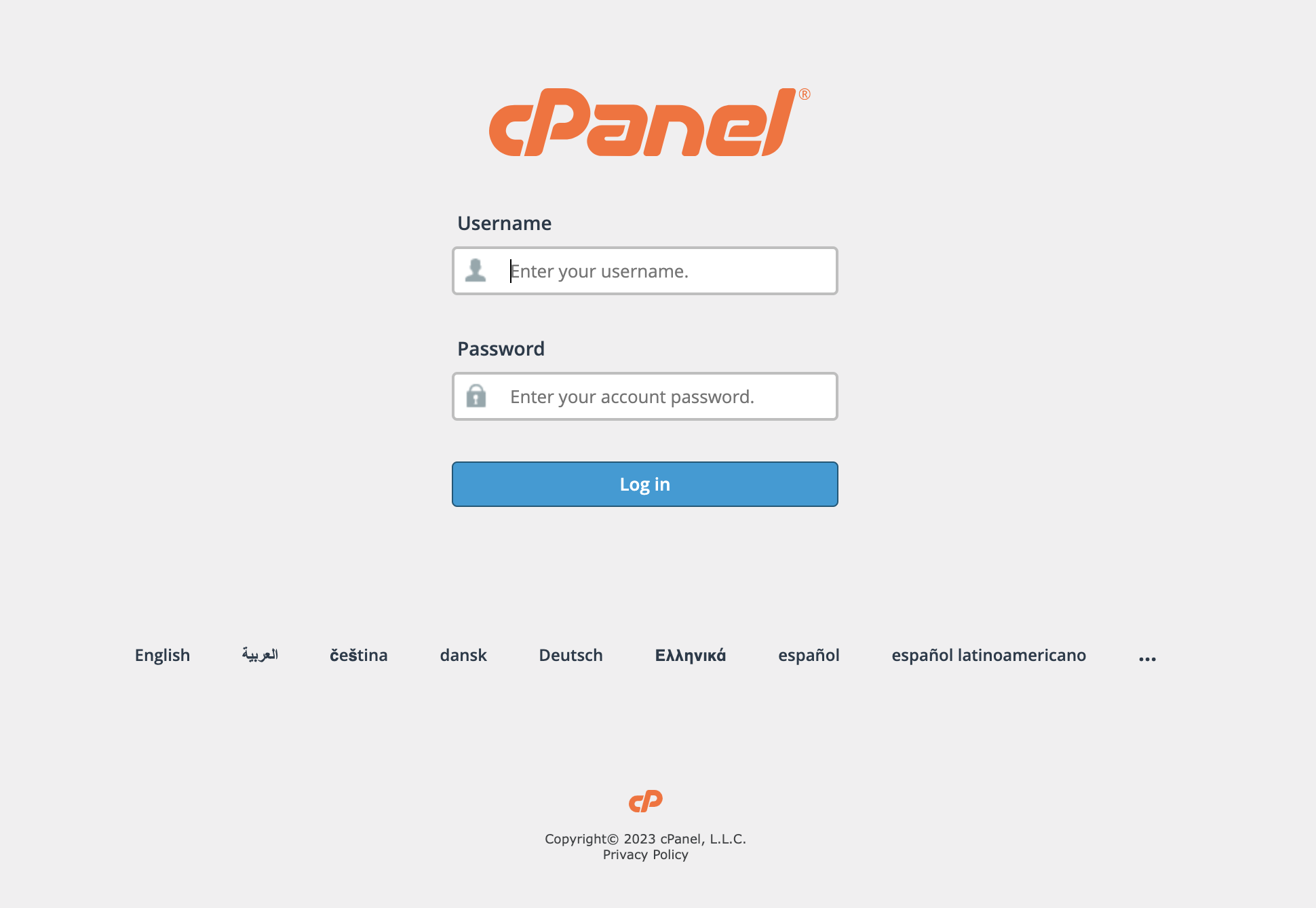
What is cPanel

cPanel is a web-based control panel that provides a graphical user interface (GUI) to simplify the management of web hosting accounts.

 It is renowned for its user-friendly nature and comprehensive suite of tools.

With cPanel, users gain easy access to various functionalities that streamline website administration, including file management, email setup, database management, domain management, security features, and more.

Seamless WordPress Installation

Seamless WordPress Installation
One of the most useful things cPanel does is take the pain out of installing WordPress in the first place.

Through cPanel’s built-in software installer, Softaculous, you can install WordPress with just a few clicks — no manual database setup, no uploading files over FTP.

That said, a one-click install still leaves you with a default, unoptimized setup; if you want a site that’s actually built for performance and conversions from day one, that’s where custom WordPress development comes in.

Effortless File Management
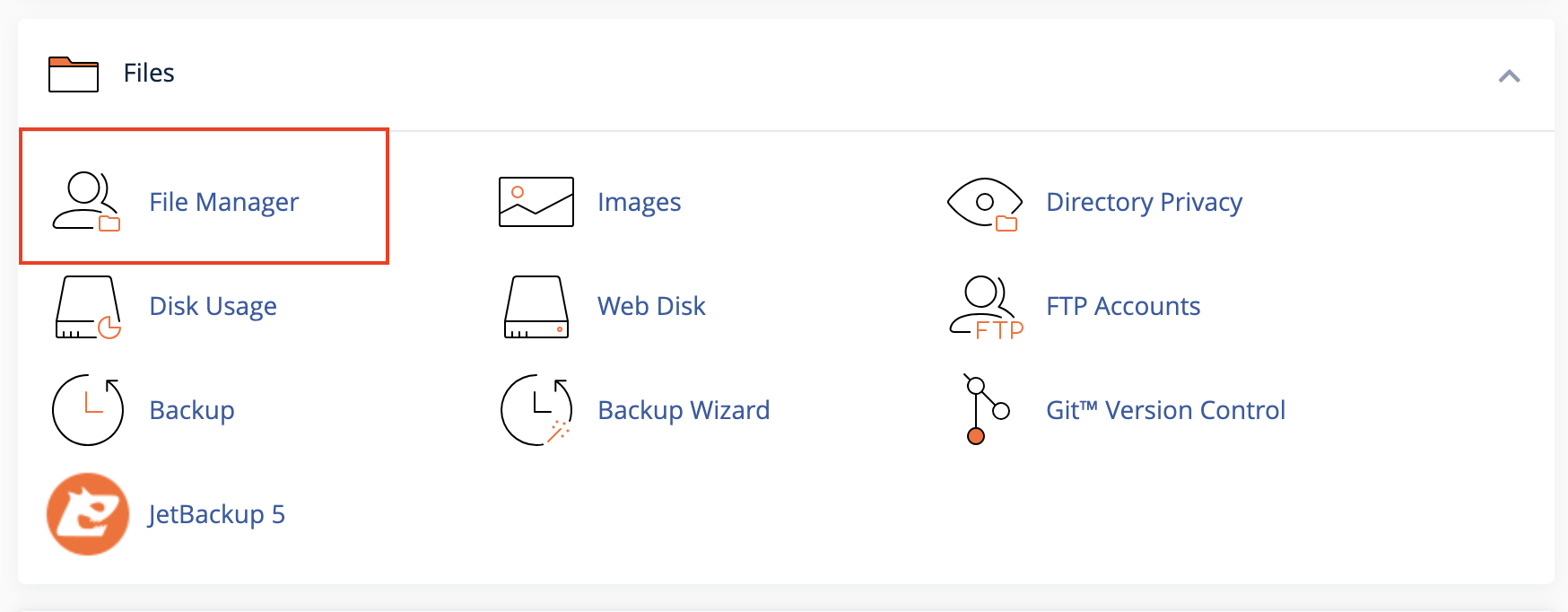
Effortless File Management
cPanel provides a file manager that lets you navigate, upload, edit, and delete files inside your WordPress directory — directly from the browser, no FTP client needed.

This matters most when something breaks. Say a plugin update causes a white screen:

you can go straight into File Manager, rename the plugin’s folder to disable it, and get the site back up in under a minute. It’s also where you’d go to edit wp-config.php directly — for example, to turn on debug mode when you need to see what’s actually causing an error.

If your site’s files have been tampered with or you’re dealing with unfamiliar file names showing up in directories you don’t recognize, that’s usually a sign of a bigger problem than a routine fix, at that point it’s worth having a WordPress malware removal check done rather than troubleshooting file by file.

Effortless File Management

Database Management

Database Management

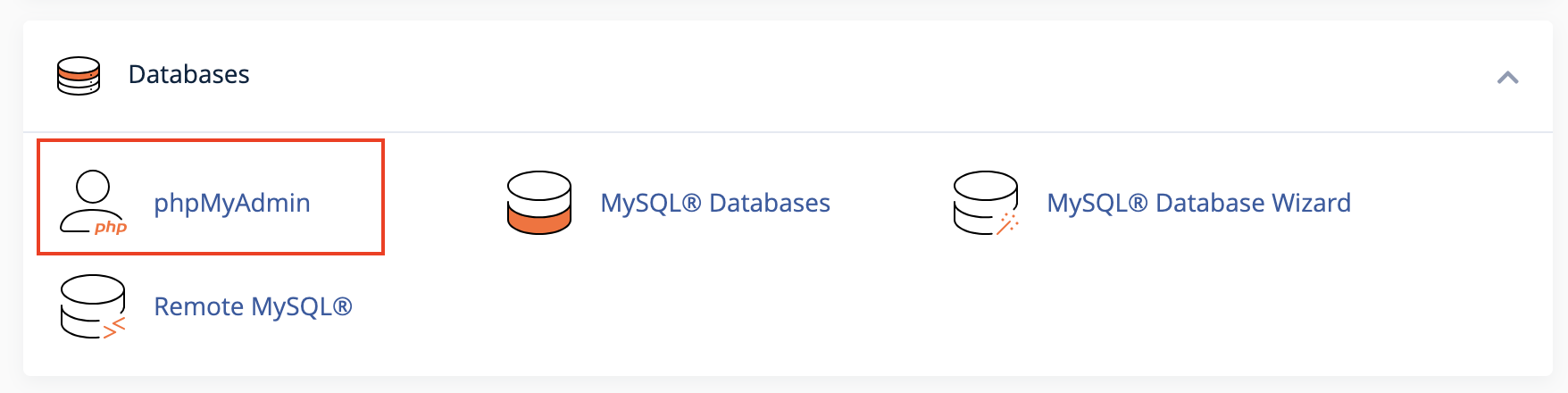
WordPress stores everything — posts, pages, settings, user data — in a MySQL database. cPanel gives you access to it through phpMyAdmin, a browser-based tool for viewing and editing that database directly.

With phpMyAdmin, you can create, import, export, and manage your WordPress database without touching the command line. It’s the tool you’d use to troubleshoot a broken site, run a manual optimization, or restore a table that got corrupted.

One thing worth being careful about: editing a live database directly can break a site instantly if a query goes wrong — there’s no undo. Always back up the database before making any manual changes in phpMyAdmin, even something that looks minor.

Database Management

Email Configuration

Email Configuration

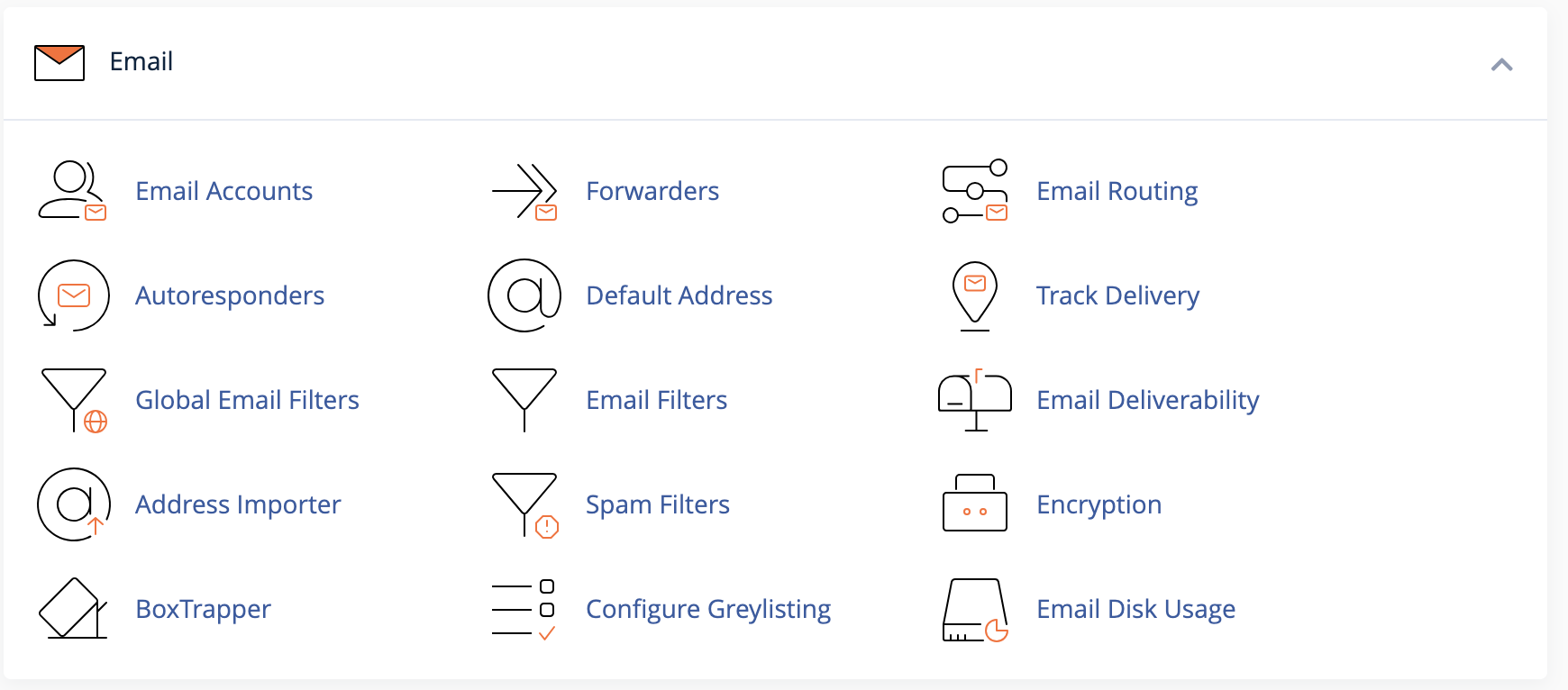
cPanel makes it straightforward to create and manage email accounts tied to your WordPress domain — things like info@yoursite.com or support@yoursite.com — along with forwarders and autoresponders. It also integrates with webmail clients like Roundcube and Horde for checking mail from a browser.

One thing to know: setting up an email address in cPanel is separate from getting WordPress to actually send emails reliably (password resets, contact form notifications, order confirmations).
By default, WordPress sends mail through PHP’s built-in mail function, which many hosts flag as spam or block outright. If contact form emails or password resets aren’t showing up, the fix usually isn’t in cPanel at all — it’s configuring WordPress to send through SMTP instead, using the email account you created here as the sender.

Enhanced Security Measures

Enhanced Security Measures
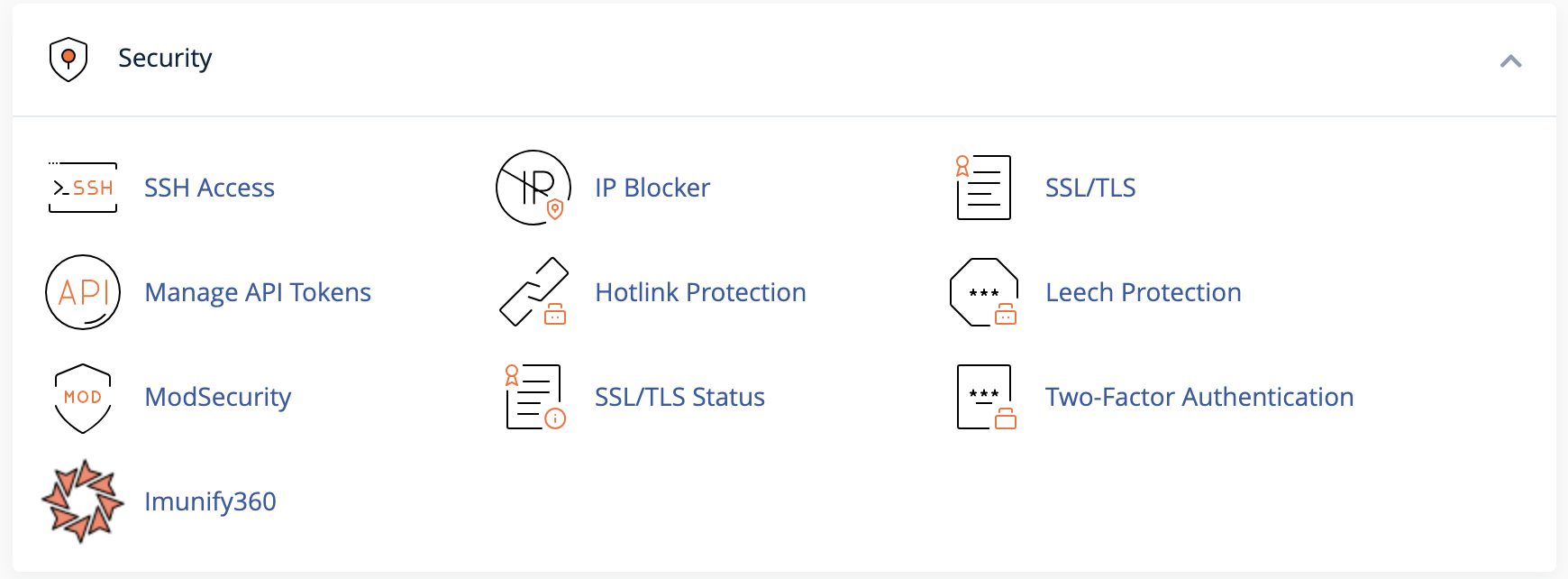
Security isn’t one feature in cPanel — it’s a whole panel of tools, and it’s worth knowing what each one actually does rather than treating it as a black box.

SSL/TLS management is the one most site owners already know — it’s what puts the padlock in the browser and encrypts traffic between your site and its visitors.

Beyond that, cPanel gives you IP Blocker to manually ban addresses that are hammering your login page, ModSecurity as a web application firewall that filters out common attack patterns before they reach WordPress, and Two-Factor Authentication to stop a stolen password from being enough to get in. Imunify360, where available, adds automated malware scanning and intrusion detection on top of all of it.

Two features people often overlook: Hotlink Protection, which stops other sites from embedding your images directly and eating your bandwidth, and Leech Protection, which locks out an account after repeated failed logins — useful against brute-force attempts. For anyone comfortable with the command line, SSH Access and API Token management are also here, giving developers direct server access without going through the file manager for every task.

None of these tools do much good if they’re switched on once and forgotten. Security settings need to be checked and adjusted as plugins update and new vulnerabilities surface, which is part of what ongoing WordPress maintenance actually covers.

Not Sure If Your Security Settings Are Actually Working?

Most site owners set up cPanel’s security tools once and never check them again — until something already goes wrong. Ongoing maintenance means those settings actually get reviewed as plugins update and new threats show up.

Domain and DNS Management

DNS Management
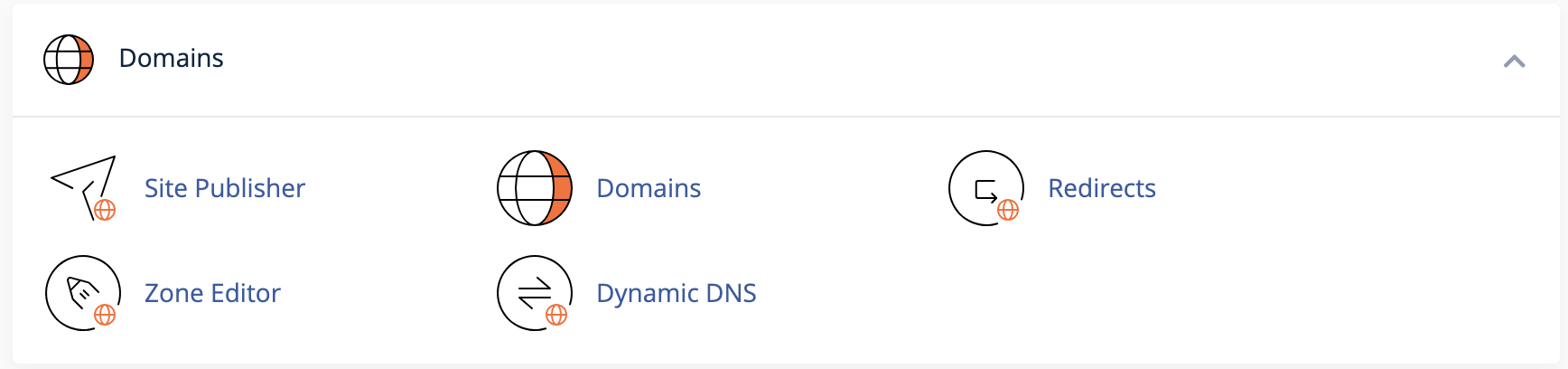
Beyond files and databases, cPanel is also where your domain actually connects to your hosting. It gives you a dedicated interface for everything domain-related, instead of needing to log into your registrar separately for every change.
From here you can add or park additional domains, create subdomains (like blog.yoursite.com or shop.yoursite.com), edit DNS records directly, and set up redirects. This matters most when you’re pointing a new domain at your site for the first time, moving a site to new hosting, or setting up a subdomain for a staging environment.
One thing worth knowing: DNS changes don’t take effect instantly — propagation can take anywhere from a few minutes to 48 hours depending on the record and your DNS provider’s TTL settings. If a domain change doesn’t seem to be working right away, that delay is usually the reason, not a mistake in the setup.

Conclusion

cPanel isn’t something you need to master to run a WordPress site — WordPress’s own dashboard covers day-to-day content and plugin management just fine. But when something breaks at the server level, or you need direct access to files, the database, email, or DNS, cPanel is the layer that gets you there.
Knowing your way around it — even just enough to recognize which tool handles which problem — saves time when a site goes down and every minute matters.

FAQ

Is cPanel included with WordPress hosting, or do I need to buy it separately?
Most shared and VPS hosting plans include cPanel as the default control panel, but not all — some hosts use their own custom panel, and a few (like WP Engine or Kinsta) skip cPanel entirely in favor of a WordPress-specific dashboard. Check with your host if you’re not sure which one you have.
Do I need cPanel to manage a WordPress site?
No. WordPress has its own dashboard (wp-admin) for content, plugins, and themes. cPanel operates one level below that — at the hosting account level — so you only need it for things WordPress itself can’t do, like editing files directly, managing databases, or configuring email and DNS.
Can I break my WordPress site by using cPanel incorrectly?
Yes, mainly in File Manager and phpMyAdmin. Deleting or editing the wrong file, or running a bad database query, can take a site down instantly with no undo. That’s why it’s worth having a current backup before making manual changes in either tool.
What's the difference between cPanel and Softaculous?
cPanel is the overall control panel; Softaculous is one tool inside it — an app installer that handles WordPress (and other software) installs in a few clicks. You access Softaculous through cPanel, not the other way around.
Is cPanel still relevant in 2026, or are hosts moving away from it?
cPanel remains the most widely used hosting control panel, but plenty of managed WordPress hosts have moved to custom dashboards built specifically around WordPress. Neither approach is strictly better — cPanel gives you more direct, general-purpose control, while WordPress-specific panels trade some of that flexibility for a simpler, more guided experience.

Ognjen Velickovic

WordPress Developer & Product Manager at Kiwistic. I build and maintain WordPress sites for small businesses and troubleshoot everything from login lockouts to security issues. These guides come from real experience, so you don't have to figure it out alone.

You May Also Like…